Market Overview
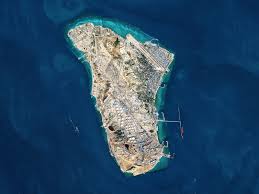
The prediction market on Iranian control of Kharg Island—a strategically important petroleum export terminal in the Persian Gulf—is pricing a 7.5% probability that another state or occupying force will establish primary governmental or military control by May 31, 2026. With $4 million in volume, the market reflects sustained trader interest in a low-probability but geopolitically significant outcome. The flat price action over the past 24 hours suggests traders currently view the probability as stable, with no recent developments shifting expectations materially.
Why It Matters
Kharg Island is one of Iran's most critical infrastructure assets, serving as a major crude oil loading terminal and accounting for a substantial portion of the nation's petroleum exports. Loss of the island would represent a significant geopolitical and economic blow to Iran, with implications extending across regional security dynamics and global energy markets. The market's formulation requires not mere temporary disruption—bombardment, raids, or naval presence do not qualify—but actual establishment of sustained control by another authority, a high bar that reflects the difficulty of capturing and holding such territory.
Key Factors
Several dynamics underpin the low 7.5% probability. First, Iran maintains robust military presence on the island, including air defenses and naval capabilities, making forceful seizure militarily costly. Second, the 16-month timeframe to May 2026 is relatively short for a major regional conflict or negotiated settlement to resolve control. Third, no credible reports suggest imminent military campaigns targeting the island, and international consensus-building for such an operation faces significant diplomatic obstacles. Fourth, any successful takeover would require not just military action but sustained occupation and establishment of alternative governmental structures—a demanding proposition that the market's resolution criteria rightly emphasize.
Outlook
For the probability to shift materially upward, markets would likely require concrete indicators of military mobilization, escalating regional conflict directly threatening Iranian assets, or preliminary diplomatic signals of settlement negotiations including territorial concessions. Conversely, any reduction in regional tensions or Iranian military reinforcement of the island could pressure the probability lower. The current 7.5% level reflects a baseline assessment that the status quo persists, despite acknowledged geopolitical risks in the Persian Gulf. Traders should monitor regional military activity, naval movements near the island, and any diplomatic developments related to Iranian sanctions or conflict resolution as potential catalysts for market movement.