Market Overview
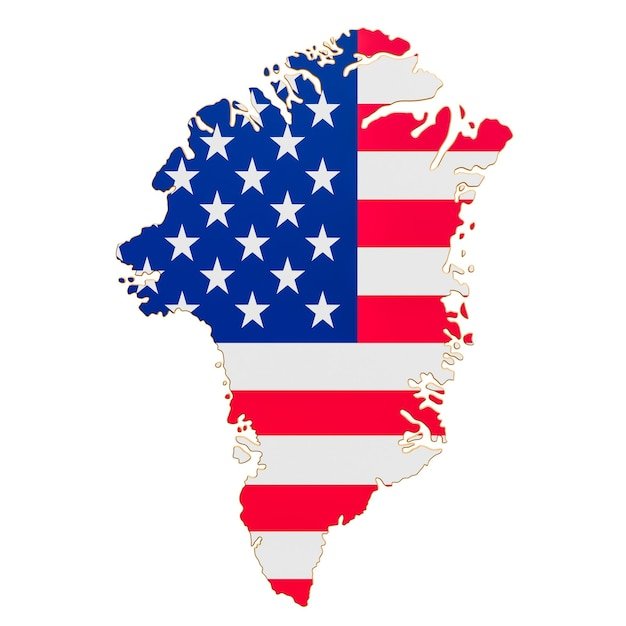
Prediction markets are currently valuing the probability of the United States acquiring sovereignty or primary jurisdiction over Greenlandic territory by December 31, 2026, at 14%. The market, which has maintained this level over the past 24 hours despite significant trading volume of approximately $9.7 million, suggests traders view such an acquisition as a meaningful but decidedly low-probability event within the specified timeframe. The market's resolution criteria are precise, requiring a binding legal instrument—such as a treaty, legislation, or executive action—rather than mere proposals or negotiations to trigger a positive outcome.
Why It Matters
Greenland holds substantial strategic importance for the United States, given its geographic position in the Arctic, proximity to major shipping routes, and natural resource endowments. The island's sovereignty status—as an autonomous territory of Denmark—has occasionally attracted US interest, particularly during periods of geopolitical competition with Russia and China in the Arctic region. A successful US acquisition would represent a significant shift in global geopolitics and territorial control, making the market's assessment relevant to policymakers, investors, and strategic analysts monitoring US foreign policy priorities and Arctic-focused negotiations.
Key Factors
Several factors constrain the probability despite recent political focus on Greenland. Denmark maintains firm sovereignty over Greenland and has consistently reaffirmed its commitment to the territory, making voluntary transfer highly unlikely absent extraordinary circumstances. Greenland's autonomous government, while possessing greater self-governance powers, lacks independent capacity to cede territory without Danish consent. The 14% probability likely reflects scenarios involving significant geopolitical upheaval, dramatic shifts in Danish or Greenlandic governance, or unforeseen security crises that might incentivize negotiations. Additionally, the market's high resolution threshold—requiring binding legal instruments, not preliminary agreements or frameworks—excludes preliminary diplomatic steps from qualifying, further reducing the practical pathways to resolution.
Outlook
Movement in this market would likely track tangible diplomatic developments rather than rhetorical interest. A binding agreement, treaty ratification, or legislation establishing US control would represent a watershed moment in Arctic geopolitics. Absent formal legal mechanisms, the 14% pricing suggests markets view acquisition as theoretically possible but requiring circumstances substantially different from the current baseline. Traders should monitor statements from Danish, Greenlandic, and US governmental sources, particularly regarding Arctic strategy and territorial arrangements, as potential indicators of shifting probabilities.