Market Overview
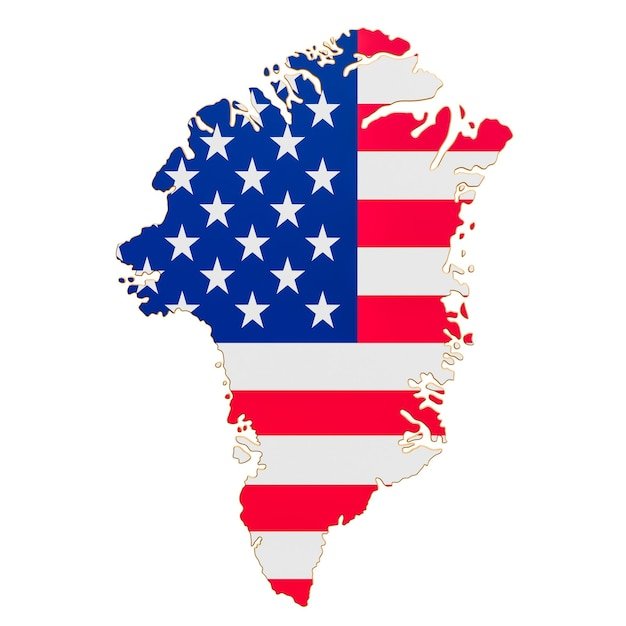
Prediction markets currently assign a 14% probability to US acquisition of Greenlandic territory by December 31, 2026, with volume exceeding $9.6 million indicating sustained trader interest in this geopolitical question. The probability has remained stable over the past 24 hours, suggesting the market has settled into a baseline assessment following recent headlines about Trump administration interest in acquiring the autonomous Danish territory. The relatively modest but non-negligible odds reflect traders' view that while acquisition remains unlikely under normal diplomatic circumstances, it remains within the realm of possibility given the current political environment and stated executive interest.
Why It Matters
Greenland's strategic value has long attracted US interest due to its Arctic location, mineral resources, and proximity to major shipping routes as climate change opens new passages. The question of US territorial expansion into the Arctic carries implications for NATO cohesion, US-Denmark relations, and broader great power competition in the High North. The market's resolution criteria—requiring a binding agreement transferring sovereignty or establishing exclusive US jurisdiction and control, but explicitly excluding non-binding statements, negotiations, or basing rights—set a high bar that distinguishes serious acquisition from rhetorical posturing. Any actual transfer would represent the most significant territorial expansion for the United States in over a century.
Key Factors
Several factors support the 14% assessment. On the upside: recent public statements by Trump administration officials expressing acquisition interest, the absence of explicit Danish or Greenlandic legal prohibitions on such transfers, and the precedent of territorial acquisitions in US history. US leverage over Denmark as a NATO ally could theoretically facilitate negotiations. However, substantial headwinds outweigh these considerations. Greenland's government and Denmark's political establishment have firmly and repeatedly rejected any territorial sale, with broad public and parliamentary opposition across the Danish political spectrum. International law and democratic norms strongly disfavor acquisition by coercion. Congressional approval would likely be required for any binding agreement, and the current legislative environment offers no indication of support. The 24-month timeframe to year-end 2026 is relatively short for overcoming entrenched political opposition through negotiation.
Outlook
The market probability could shift materially in either direction based on concrete developments. Evidence of serious, substantive bilateral negotiations or legislative action would likely raise odds, while explicit legislative rejection or further emphatic Danish-Greenlandic statements could lower them. The stability of current odds at 14% suggests traders view acquisition as improbable but not negligible—a baseline reflecting genuine executive interest constrained by substantial practical and diplomatic obstacles. Absent binding agreement text or binding legislative action by year-end 2026, the market will resolve to \"No,\" as non-binding statements and frameworks explicitly do not qualify under the resolution criteria. The coming months will likely see continued political discussion, but the translation of rhetoric into binding legal instruments remains the critical test for market resolution.