Market Overview
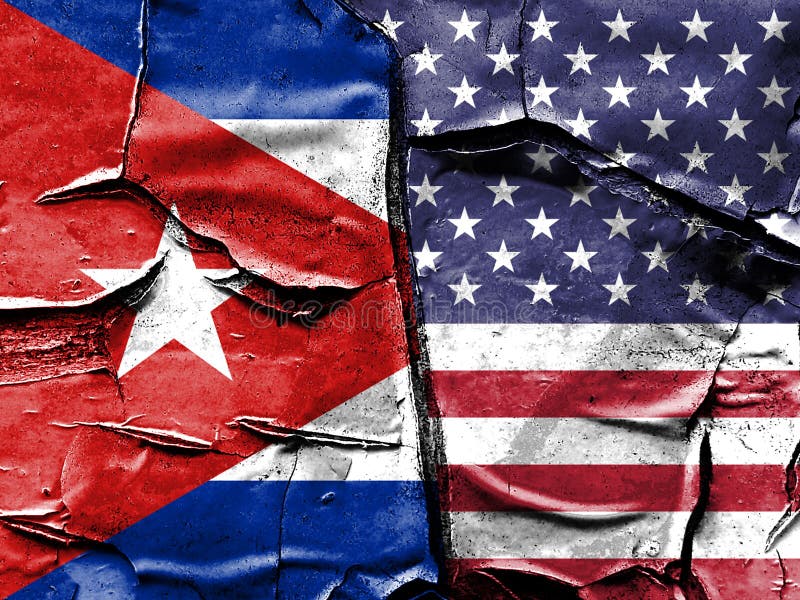
Prediction markets are currently pricing the probability of a U.S. military invasion of Cuba in 2026 at 26.5%, with volume exceeding $1.5 million indicating substantial trader interest in the question. The market has held steady at this level over the past 24 hours, suggesting a relative consensus among participants rather than reactive repricing to breaking news. This probability places a potential invasion in the realm of tail risks—outcomes traders acknowledge as possible but not as base-case expectations.
Why It Matters
The question reflects underlying uncertainty about U.S.-Cuba relations and broader hemispheric stability in a period of evolving geopolitical alignments. U.S. policy toward Cuba has historically shifted dramatically with administrative changes, ranging from the Obama-era normalization efforts to the Trump administration's hardline stance. A 26.5% probability assignment suggests traders are factoring in multiple potential catalysts—including political change in Washington, escalation of U.S.-Cuba tensions, or a regional security incident—while stopping short of treating invasion as a probable outcome. The market's stability despite global volatility indicates this probability reflects fundamental structural factors rather than temporary sentiment swings.
Key Factors
Several considerations appear to be anchoring this probability estimate. First, historical precedent creates a non-zero baseline: the U.S. has invaded Cuba in living memory (the Bay of Pigs in 1961, though that operation was covert and limited in scope), and military interventions remain within the realm of historical U.S. actions. Second, Cuba's geopolitical position—92 miles from Florida and strategically important to U.S. regional interests—keeps it in policy discussions, particularly during administrations taking a more assertive stance toward leftist governments. Third, Cuba's relationships with adversaries like Russia, China, and Iran create theoretical flashpoints that could escalate to military confrontation. However, offsetting these factors are significant practical obstacles: international law constraints under the UN Charter, the substantial military and economic costs of occupation, potential Russian military response given historical Cold War ties, and the political difficulty of justifying such action domestically. Traders appear to be weighting these constraints heavily, keeping the probability well below 50%.
Outlook
The market's current pricing implies that while a U.S. invasion remains within the cone of possibility, most scenarios traders envision for 2026 involve continued diplomatic tensions, economic pressure, or covert operations rather than full-scale military invasion. Movements in this probability would likely require significant catalysts: major escalations in U.S.-Cuba incidents, dramatic changes in U.S. political leadership with explicitly interventionist platforms, or regional security crises that military planners frame as requiring invasion. Conversely, de-escalatory diplomatic efforts or statements from U.S. leadership deprioritizing such action could push probabilities lower. Given the market's stability and the one-year time horizon remaining, traders appear to be treating this as a low-probability but nonzero outcome that warrants pricing in—a baseline expectation of continued tension without kinetic conflict.