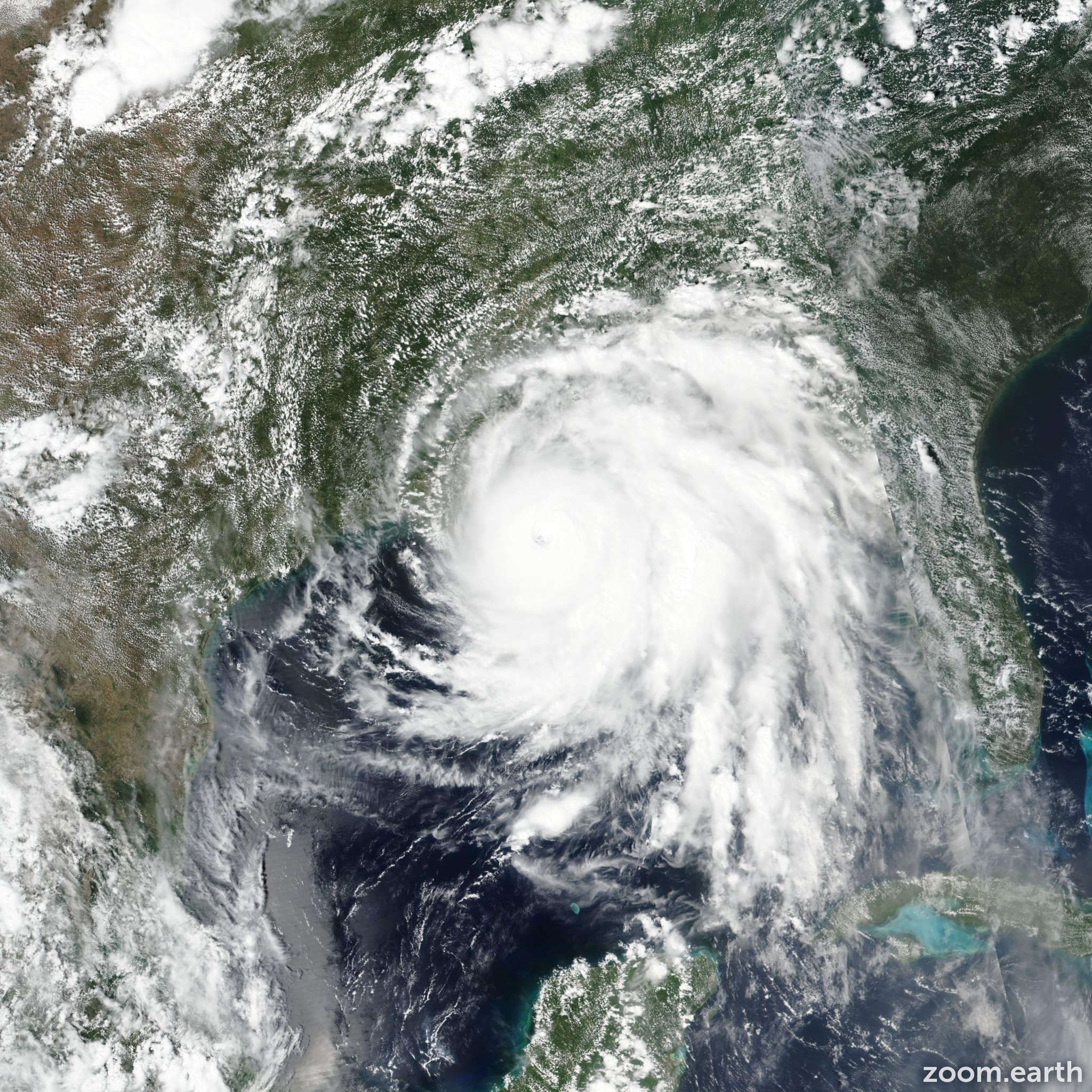
Market Overview
The prediction market on Category 4 hurricane landfalls in the conterminous United States is trading at 35% probability, suggesting traders view such an event as moderately likely over the roughly two-year window through December 31, 2026. With $326,300 in volume and stable odds over the past 24 hours, the market reflects a settled consensus among participants rather than reactive pricing to recent developments.
Why It Matters
Category 4 hurricanes represent a threshold of severe weather that poses significant risks to coastal populations and infrastructure. These storms, with sustained winds between 130 and 156 mph, can cause catastrophic damage and loss of life. Understanding the probability of such events is relevant for insurance markets, coastal property valuations, disaster preparedness planning, and climate risk assessment. The market's 35% figure provides a quantified benchmark for comparing against meteorological forecasts and historical baselines.
Key Factors
Historical frequency data provides the primary context for the odds. The United States averages roughly one major hurricane landfall (Category 3 or higher) every few years, though Category 4 events are less common. The market's 35% probability for a two-year window translates to an implied annual rate of approximately 20-25%, which aligns with long-term storm frequency patterns from the National Hurricane Center. Seasonal hurricane activity, currently in the quieter winter months, will resume with Atlantic season activity peaking in late summer and early fall of both 2025 and 2026. Water temperature anomalies and atmospheric conditions—including sea surface temperatures and wind shear patterns—will influence storm development and intensity, though these factors remain uncertain and subject to seasonal variation.