Market Overview
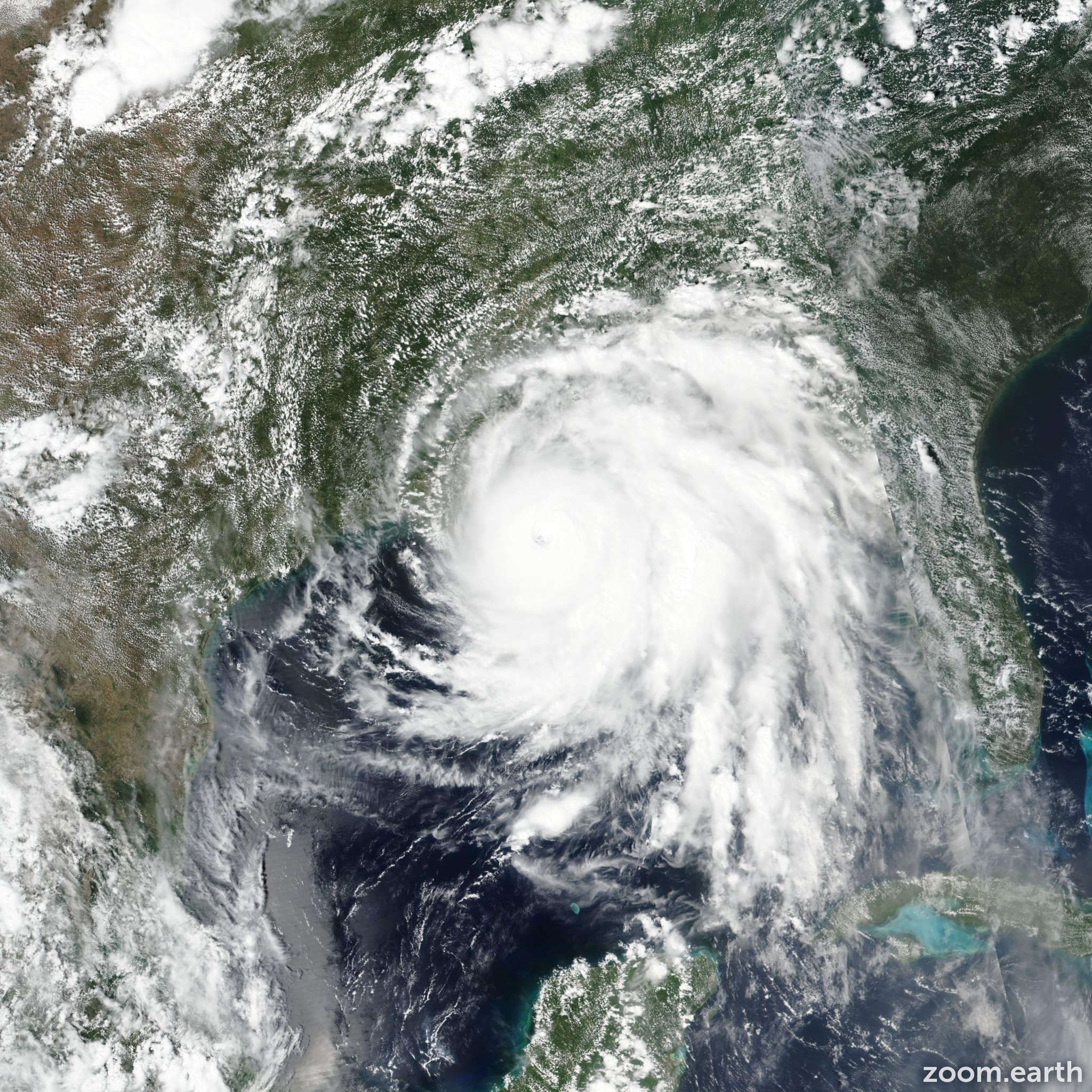
Prediction markets are currently assessing a 35% probability that at least one Category 4 hurricane—defined by sustained winds between 130 and 156 mph—will make landfall in the conterminous United States before December 31, 2026. The market has maintained this probability level over the past 24 hours, with $326,300 in trading volume indicating moderate but steady interest in the outcome. The timeframe covers approximately 2.25 hurricane seasons, a period sufficient to establish meaningful statistical expectations based on historical patterns.
Why It Matters
Category 4 hurricanes represent a significant threshold in terms of potential damage and disruption. These major hurricanes can cause catastrophic wind damage, substantial storm surge, and widespread infrastructure failure. Understanding the probability of such an event is relevant not only for coastal risk assessment but also for insurance pricing, disaster preparedness planning, and climate-related economic modeling. The 35% odds suggest market participants view a major hurricane landfall as a meaningful but not dominant risk over the next two years.
Key Factors
Historical data provides important context for this probability. The United States experiences an average of roughly one major hurricane (Category 3 or higher) landfall every 2-3 years, though Category 4 events are considerably rarer. Since reliable records began in the mid-1800s, Category 4 landfalls have occurred at a frequency of approximately one every 5-10 years on average, varying significantly by decade and region. The 35% probability over 2.25 years aligns reasonably with long-term climatological trends, though it reflects some uncertainty about future seasonal activity.
Several variables influence the market's assessment. Atlantic basin sea surface temperatures, the status of climate oscillations such as El Niño and La Niña, atmospheric wind shear patterns, and overall seasonal conditions all affect hurricane formation and intensity. Additionally, the geographic distribution of storms matters—a very active season that produces many hurricanes but directs them away from the US coast would not resolve this market affirmatively. The market's 35% price appears to weight these factors as moderately favorable for at least one qualifying event, but not as a dominant expectation.
Outlook
The probability may shift based on observable developments in Atlantic weather patterns, seasonal forecasts issued by meteorological agencies, and early-season hurricane activity. An unusually warm Atlantic basin or confirmation of conditions favoring major hurricane development could push probabilities higher. Conversely, if 2025 or early 2026 produces an active season without Category 4 landfalls, or if cooler conditions develop, market odds might decline. Given the inherent variability of hurricane behavior and the extended timeframe involved, expect continued modest fluctuations around the current 35% level absent significant new information about Atlantic conditions or climate indicators.