Market Overview
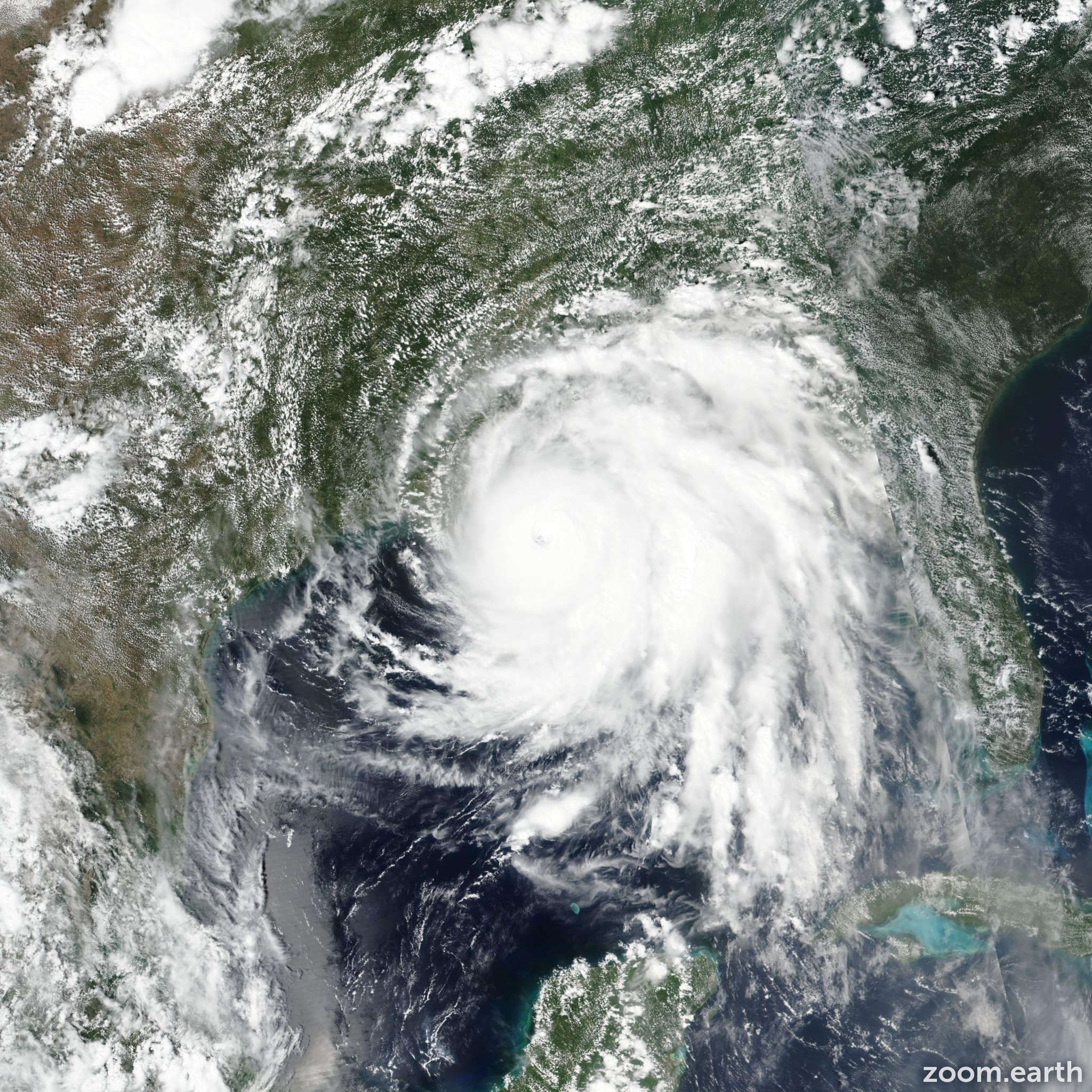
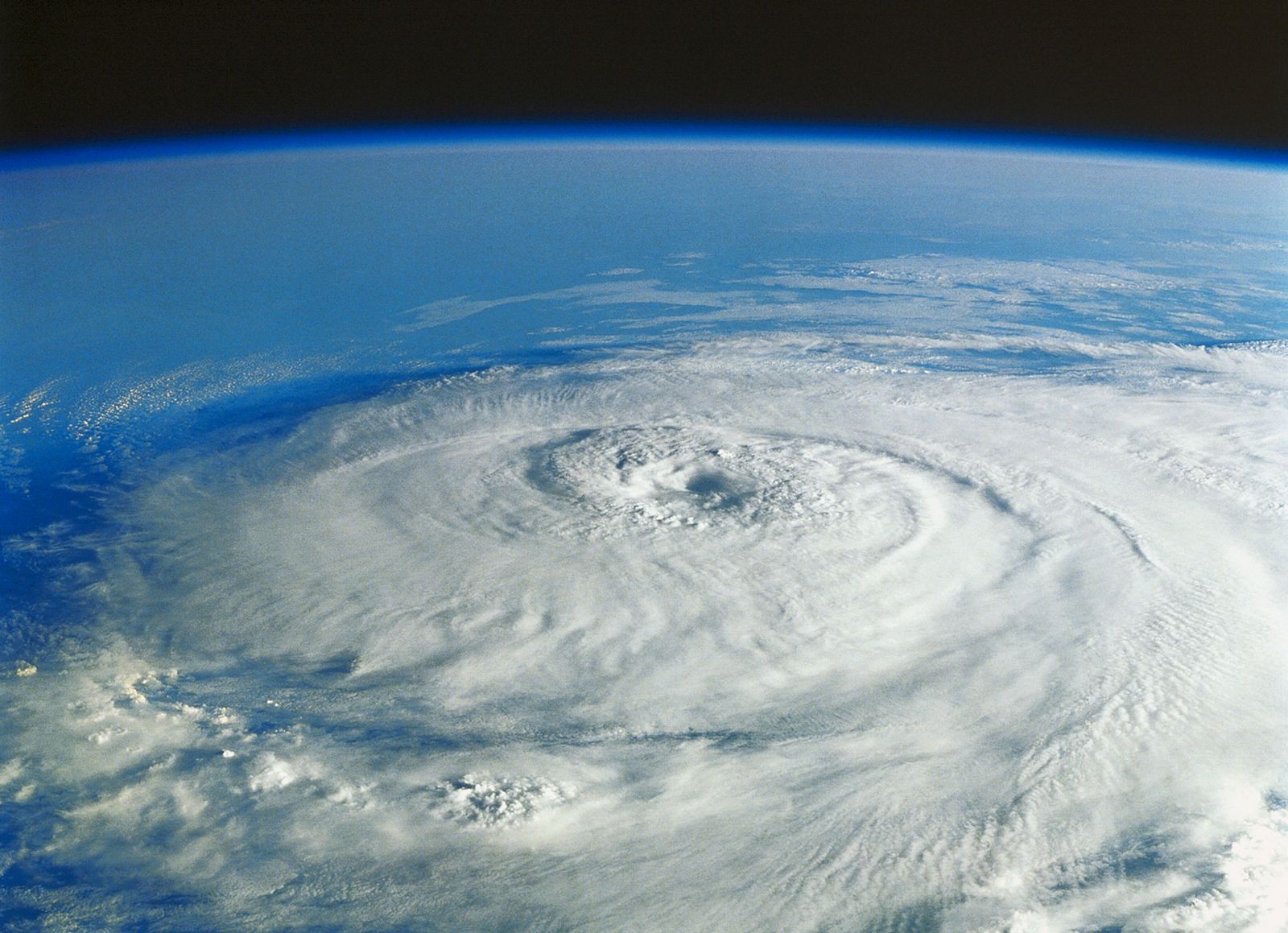
Prediction markets are currently pricing a 27% probability that 2026 will experience at least one major natural disaster as defined by specific thresholds: a Category 5 hurricane making US landfall, a meteor impact of 10 kilotons or greater, a volcanic eruption reaching VEI-6 or higher on the Volcano Explosivity Index, or an earthquake measuring 8.5 or greater in magnitude. The market has remained stable over the past 24 hours, with $215,647 in trading volume, indicating consistent participant conviction in the current odds despite the inherent uncertainty involved.
Why It Matters
The 27% probability attached to this market reflects the possibility of a genuinely transformative event. While each individual condition remains statistically rare, the market aggregates probability across four distinct categories of natural disaster over a 12-month period. Such events carry substantial consequences—a Category 5 hurricane landfall would cause catastrophic damage to US coastal infrastructure and population centers; a major meteor strike would produce global effects; a VEI-6 eruption ranks among the most powerful volcanic events in recorded history; and an 8.5+ earthquake would be among the most severe seismic events observed in recent decades. Understanding how markets price these compound risks provides insight into expert assessment of natural hazard frequencies.
Key Factors
Historical frequency data underpins the current odds. Category 5 hurricanes make US landfall roughly once per decade on average, though this varies with Atlantic cyclone activity patterns and climate conditions. Meteoric impacts of 10kt+ occur on timescales of centuries to thousands of years depending on object size. VEI-6 eruptions happen approximately once per century globally, while 8.5+ earthquakes occur several times per century worldwide but are far less common in specific regions. The market's 27% figure suggests traders are weighting these probabilities—treating the hurricane scenario as most likely among the four conditions, while assigning lower but non-negligible probabilities to the others. Climate patterns, current volcanic and seismic monitoring, and trajectory data for near-Earth objects all factor into informed assessments, though long-term climate change may shift hurricane intensity distributions over time.
Outlook
Movement in this market would likely follow improved scientific data or changing environmental conditions. Enhanced hurricane season forecasts in late 2025 could shift odds notably, as could detection of potentially hazardous asteroids with 2026 impact possibilities. Increased volcanic unrest at monitored sites or detection of anomalous seismic activity could also move probabilities. The market's stability at 27% suggests current consensus around base-rate probabilities without new trigger events. The resolution deadline extends to February 28, 2027, allowing time for verification of any events that might occur in 2026, ensuring that outcomes are definitively established before final settlement.