Market Overview
Prediction markets are currently pricing the probability of a Category 4 hurricane landfall in the conterminous United States at 35% through the end of 2026. With volume exceeding $326,000, the market reflects a moderate consensus view that such an event is plausible but far from certain within the roughly two-year timeframe. The 35% probability implies roughly one chance in three of experiencing a major hurricane strike at this intensity level before the market resolves.
Why It Matters
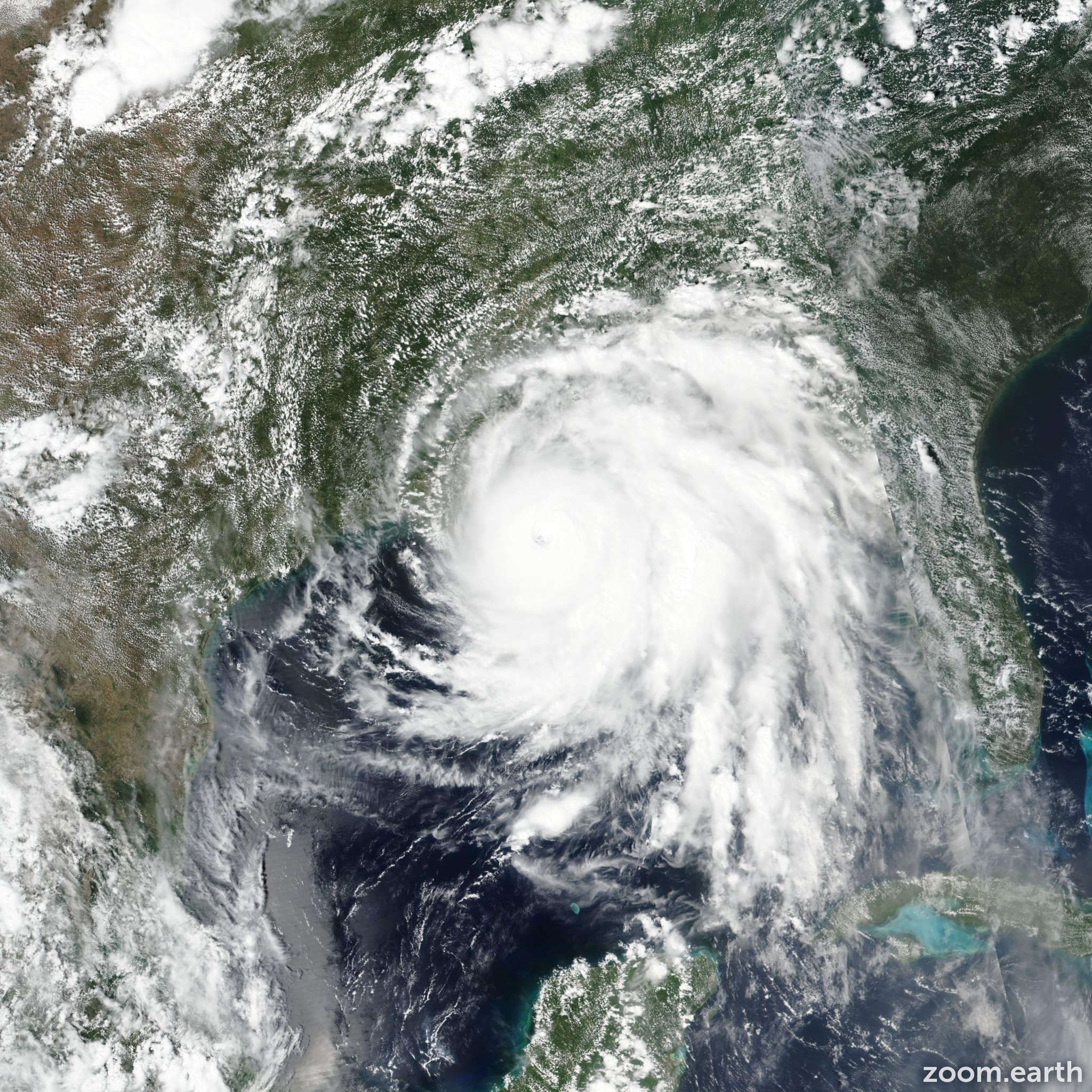
Category 4 hurricanes represent a significant threshold in storm severity, with sustained winds between 130-156 mph capable of causing catastrophic damage. Historical patterns show the United States experiences Category 4 landfalls irregularly—they are rare enough to be noteworthy but frequent enough to be a genuine climate risk. Understanding the probability of such events informs insurance pricing, disaster preparedness policy, and broader discussions about hurricane risk in an era of changing climate patterns. The market's 35% assessment reflects the tension between historical baseline frequencies and evolving atmospheric conditions.
Key Factors
Several dynamics underpin the current market probability. Historical data indicates that Category 4 hurricanes make U.S. landfall roughly once per decade on average, though the distribution is highly irregular. The time window—approximately 24 months—represents about one-fifth of a typical inter-event period, which anchors expectations near the 20% range before adjustments for other factors. However, the 2020s have already witnessed multiple major hurricane seasons, including particularly active Atlantic periods, which may support the slightly elevated 35% reading. Additionally, there is ongoing scientific debate about how climate change affects extreme hurricane intensification, with some models suggesting increased potential for rapid intensification and more intense peak winds, though the net effect on landfall frequency remains uncertain.
Outlook
The market will likely track developments in Atlantic sea surface temperatures, seasonal hurricane forecasts from NOAA and academic institutions, and real-time storm activity. Any particularly active hurricane season or near-miss Category 4 events could shift probability upward, while a quiet season might reduce expectations. The resolution hinges on the National Hurricane Center's official advisories at the moment of landfall, providing a clear and objective trigger. Barring significant new climate data or shifts in prevailing ocean patterns, the current 35% probability appears stable and reflects a reasonable middle ground between historical base rates and recent seasonal variations.