Market Overview
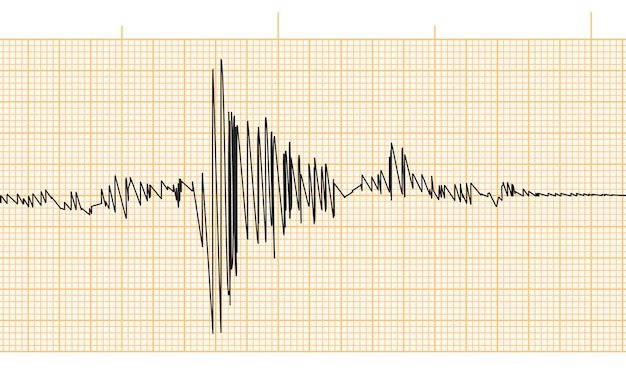
With $548,431 in trading volume, the prediction market on major global earthquakes currently reflects an 85.1% probability that eight or more magnitude 7.0+ quakes will occur worldwide over a seven-month window ending June 30, 2026. This high probability estimate indicates that traders view a moderately active seismic period as the baseline expectation rather than an outlier event. The market has remained stable at this level, with no significant price movement in the past 24 hours, suggesting a consensus among participants around this threshold.
Why It Matters
Earthquakes of magnitude 7.0 and above represent significant seismic events capable of causing substantial damage and loss of life. Understanding the frequency and likelihood of such events has implications for disaster preparedness, insurance pricing, and geophysical research planning. This market essentially operationalizes an actuarial question: how many major earthquakes should the world expect in any given seven-month period? The 85% threshold suggests that eight or more events fall within the normal to moderately elevated range rather than representing an unusually high or low scenario.
Key Factors Driving the Probability
The market assessment reflects several underlying considerations. Historically, seismic activity follows irregular patterns, but long-term data suggests the Earth produces roughly 15-20 magnitude 7.0+ earthquakes annually on average, which would translate to approximately 9-12 events in a seven-month period. The 85% probability for eight or more quakes thus implies market participants view even the lower end of this typical range as the more likely outcome for this specific period. Additionally, the market relies on USGS data as its authoritative source, ensuring consistent measurement standards across all counted events. Regional seismic patterns, recent tectonic activity, and longer-term fault movement cycles may all influence trader expectations, though no specific current geological anomalies appear to be driving the consensus significantly higher or lower.
Outlook
For this market to shift materially, either a significant cluster of magnitude 7.0+ earthquakes would need to occur early in the window—pushing the cumulative total toward higher confidence—or a prolonged period of relative seismic quiet would be required to lower expectations. The market's stability at 85% suggests traders view the baseline seismic forecast with reasonable confidence. Resolution will depend entirely on USGS's published earthquake database, which provides transparent, objective measurement. Any significant seismic activity in high-risk zones such as the Pacific Ring of Fire, subduction zones, or major fault systems could influence market dynamics as traders adjust expectations based on real-time data.