Market Overview
The prediction market for a human moon landing in 2026 stands at 4.3% probability, indicating traders view the prospect as highly unlikely. The market has seen substantial volume of nearly $1.9 million, suggesting genuine interest and engagement from participants despite the long-shot odds. The flat price action over the past day indicates stable market sentiment rather than reaction to breaking news, suggesting this reflects a settled consensus about the feasibility of achieving a 2026 lunar landing.
Why It Matters
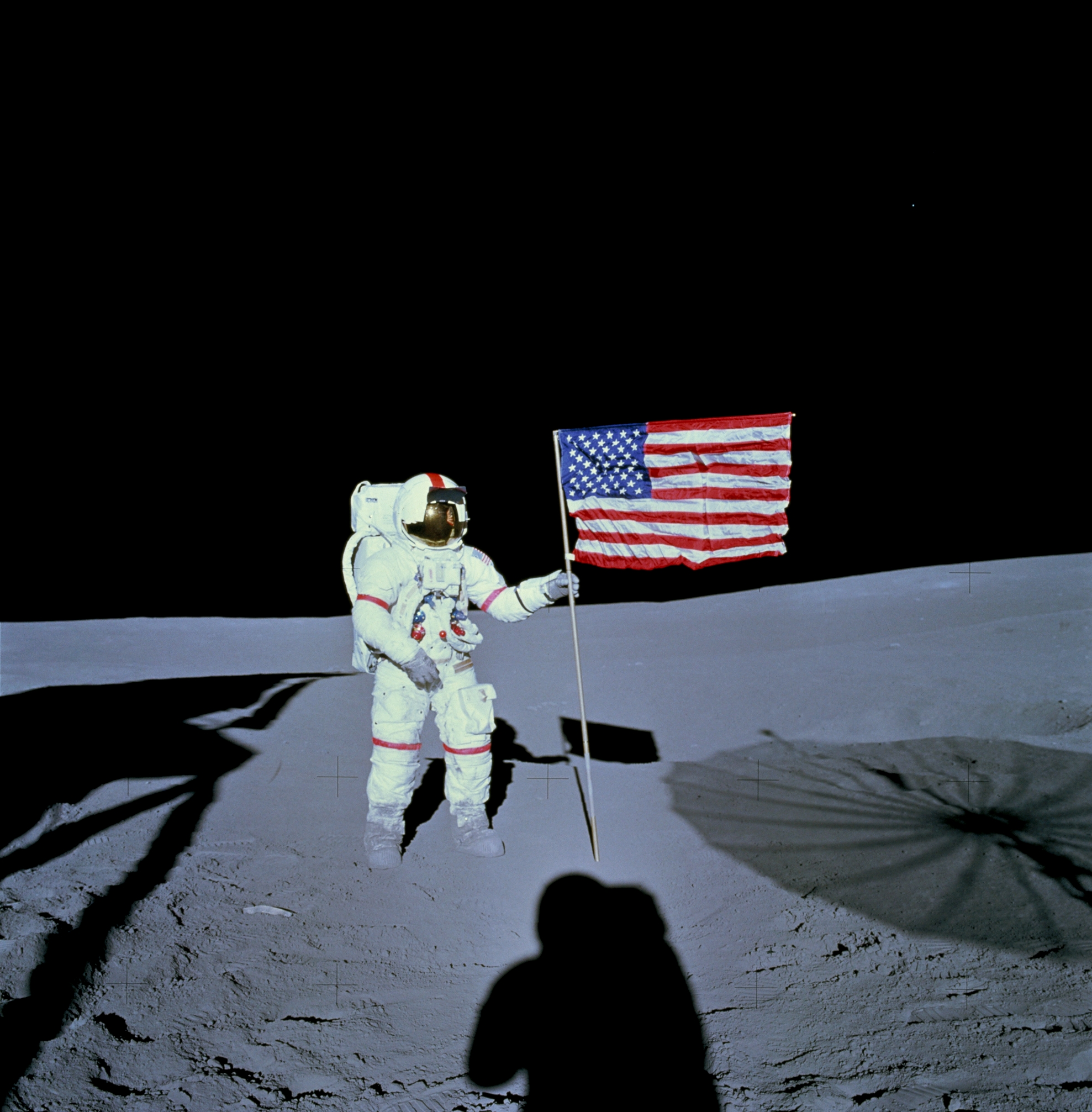
A crewed moon landing represents one of humanity's most complex undertakings, requiring flawless execution across multiple spacecraft, launch systems, and mission phases. The 2026 timeline sits at the aggressive end of current lunar exploration schedules, making the 4.3% probability a quantitative expression of how challenging this deadline appears to the market. Any successful mission would mark humanity's first return to the lunar surface since Apollo 17 in 1972, making the stakes both symbolic and scientifically significant.
Key Factors Driving the Low Probability
NASA's Artemis program, the primary vehicle for American crewed lunar missions, has experienced substantial schedule delays. Artemis II, the uncrewed test flight that must precede any crewed landing, is now targeted for 2025 at the earliest, with many observers expecting further postponements. Artemis III, the mission that would actually land humans on the moon, is currently scheduled for 2026 in NASA's official timeline, but this represents an aspirational target rather than a confirmed date. The technical requirements are stringent: the Space Launch System rocket must perform reliably, the Orion spacecraft must function as designed, and the lunar lander development—involving multiple contractors—must meet strict safety and performance benchmarks.
Additionally, no other nation has publicly committed to a crewed lunar landing attempt by 2026. China's lunar program is advancing, but timelines for crewed missions remain uncertain. The market's 4.3% probability essentially hedges against unexpected acceleration of Artemis development, technical breakthroughs, or unforeseen changes to program priorities.
Outlook
For the probability to materially increase, traders would likely need to see confirmed acceleration of Artemis II completion, a successful uncrewed test flight, and credible announcements about Artemis III readiness. Conversely, further delays to Artemis II or technical issues with the lunar lander would likely push the probability even lower. The market's current state suggests deep skepticism about near-term lunar achievement, reflecting the engineering reality that returning humans to the moon remains an extraordinarily difficult undertaking constrained by both technical and budgetary factors.