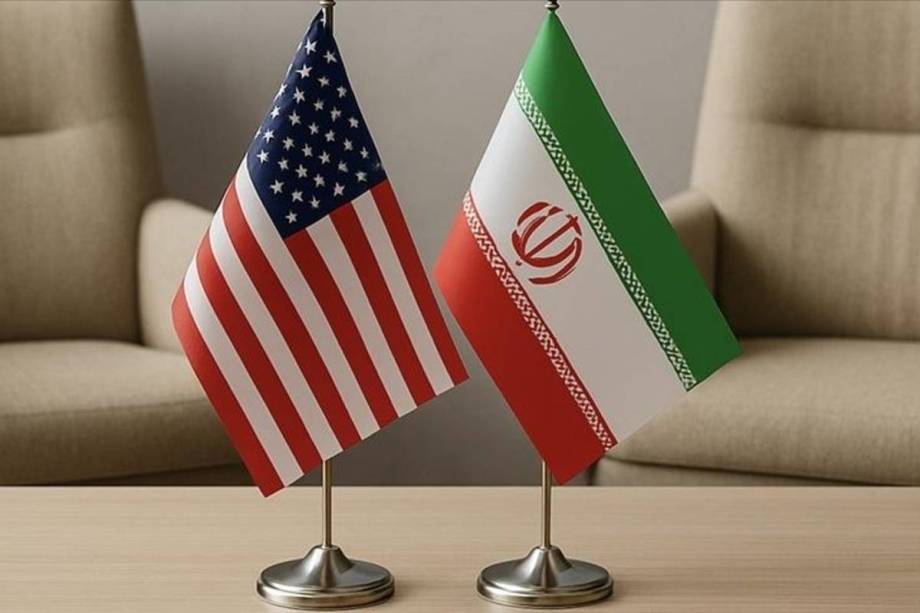
Market Overview
Prediction markets currently assess the probability of a U.S. military invasion of Iran before January 1, 2027 at 30.5%, based on $13.5 million in trading volume. The market has shown minimal movement, trading in a narrow band between 30.5% and 31.5% over the past 24 hours, suggesting that traders have reached a relatively stable consensus on the likelihood of such a major military escalation within the next 14 months. The stable probability indicates that recent developments have not significantly shifted trader expectations in either direction.
Why It Matters
A U.S. invasion of Iran would represent one of the most consequential geopolitical events in decades, with implications for global energy markets, regional stability, and international relations. Iran is a major oil producer, and any military conflict would risk disrupting global energy supplies and triggering wider regional conflict involving Iran's proxies and allied states. For traders and policy observers, this market serves as a barometer of perceived escalation risk—the 30.5% probability suggests meaningful but not imminent danger. This level of probability is notably higher than historical baseline rates for major-power military invasions, reflecting genuine concern about the possibility even as it remains a minority outcome.
Key Factors
Several structural factors are likely supporting the elevated 30% probability. U.S.-Iran tensions have remained high, particularly following the nuclear deal's collapse and ongoing disputes over Iran's nuclear program, regional influence, and support for proxy forces. The incoming Trump administration's historically hardline stance toward Iran may weigh on trader assessments of escalation risk. Additionally, election cycles and domestic political incentives in both countries create uncertainty that traders may price into longer-dated risk. However, significant countervailing factors restrain the probability from climbing higher: the extraordinary costs and logistical challenges of occupying Iranian territory, potential international opposition to such an action, and the lack of imminent trigger events comparable to pre-invasion conditions in previous military campaigns. The stability of the 30-31% band suggests traders view these offsetting factors as roughly balanced.
Outlook
Movement in this market will likely depend on developments in Iran's nuclear program, escalations in proxy conflicts (particularly involving Yemen, Syria, or Iraq), direct military incidents between U.S. and Iranian forces, or shifts in U.S. administration policy signaling genuine preparations for military action. Traders will also monitor International Atomic Energy Agency reports on Iranian nuclear activities and any diplomatic initiatives that might reduce tensions. Given the extreme stakes and irreversibility of such an action, markets may remain relatively stable absent concrete new information suggesting imminent escalation. Any probability spike above 35-40% would signal trader concern about a meaningful shift in escalation dynamics.