Market Overview
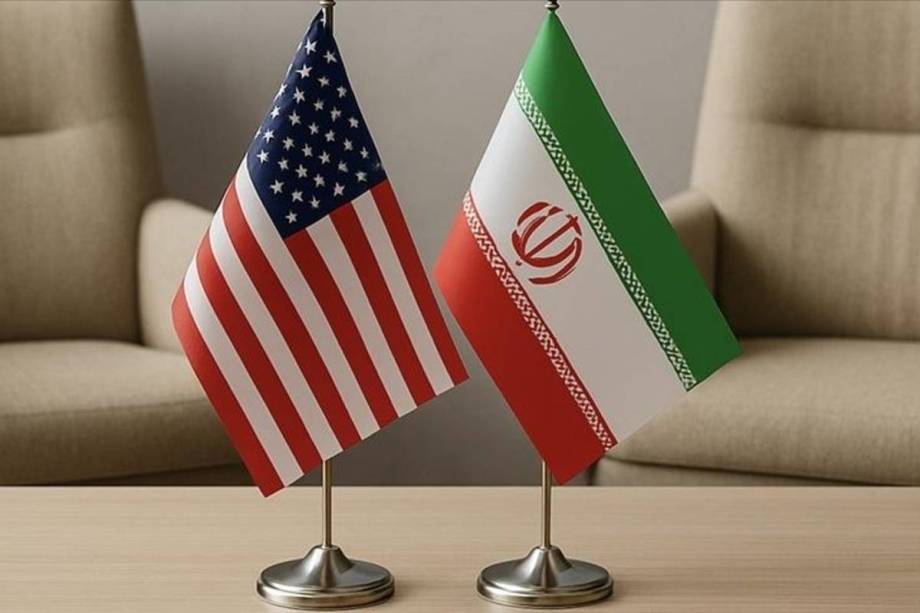
Prediction markets are pricing a US-Iran nuclear accord as substantially more likely than not, with traders currently assigning 70.5% odds to an official agreement by June 30, 2026. The market has seen notable momentum in recent sessions, gaining 8 percentage points from 62.5% a day prior, on trading volume exceeding $1.26 million. This probability reflects market participants' assessment that diplomatic channels, either newly opened or revived, could yield a nuclear agreement within the 18-month timeframe—a significant shift from the breakdown of the 2015 JCPOA and subsequent years of escalating tensions.
Why It Matters
A US-Iran nuclear accord would represent one of the most consequential geopolitical developments in years, reshaping Middle Eastern stability, energy markets, and US foreign policy alignment. The market's elevated probability suggests traders believe the diplomatic environment has shifted sufficiently to enable negotiation. The resolution criteria are deliberately broad: any publicly announced mutual agreement on nuclear research or weapons development counts, including multilateral deals alongside bilateral US-Iran terms. This allows for various diplomatic frameworks to satisfy the condition, lowering the bar compared to achieving a single comprehensive agreement.
Key Factors Driving Probability
Several structural factors appear to be supporting the elevated odds. First, the market may be pricing in potential changes to US administration priorities or diplomatic posture, which can significantly alter negotiation willingness. Second, international pressure and economic incentives—both sanctions and potential relief—create financial motivation for both parties. Third, the timeline is relatively generous at 18 months, allowing room for preliminary talks, technical discussions, and eventual formalization. Conversely, the probability remains below certainty, reflecting the substantial historical obstacles: deep mistrust between the parties, domestic political constraints in both nations, regional proxy conflicts, and verification challenges that have stalled previous negotiations.
Outlook
The market's recent upward movement suggests evolving trader expectations, though the exact catalyst for the 8-point jump is unclear—it may reflect diplomatic statements, leadership signals, or shifting geopolitical assessments. Key developments that could shift odds include major diplomatic announcements, changes in US or Iranian leadership positions on nuclear policy, evidence of formal negotiations beginning, or conversely, escalating rhetoric or military tensions that would reduce deal likelihood. The high trading volume indicates active debate among market participants, suggesting expectations may continue to adjust as new information emerges. Traders should monitor official statements from US and Iranian officials, UN activities, and European diplomatic efforts, as these will likely drive further repricing before the June 2026 deadline.