Market Overview
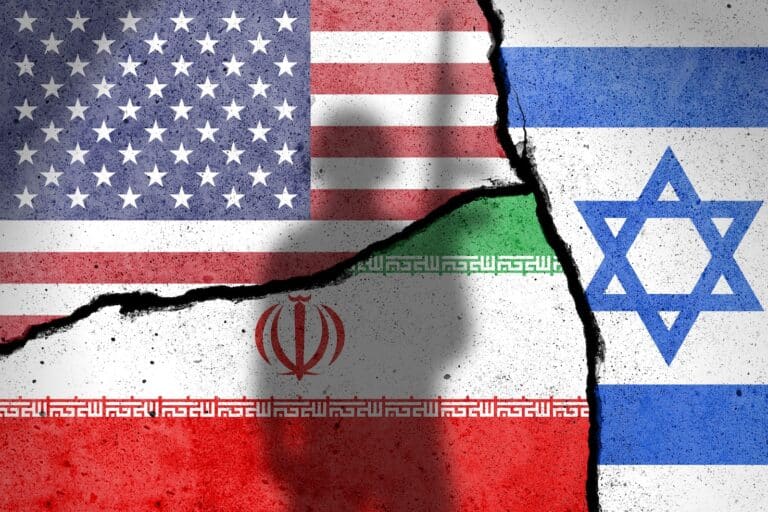
The prediction market on a potential U.S. invasion of Iran before the end of 2026 is pricing in roughly three-in-ten odds, with $15.9 million in trading volume indicating substantial institutional and retail interest. The recent 4-percentage-point decline from 33.5% to 29.5% suggests modest de-escalation expectations, though the probability remains well above historical baselines for direct U.S. military action against a major regional power. The high trading volume indicates this is not a niche concern—investors and traders view Iran as a material geopolitical risk factor in their broader portfolios and forecasts.
Why It Matters
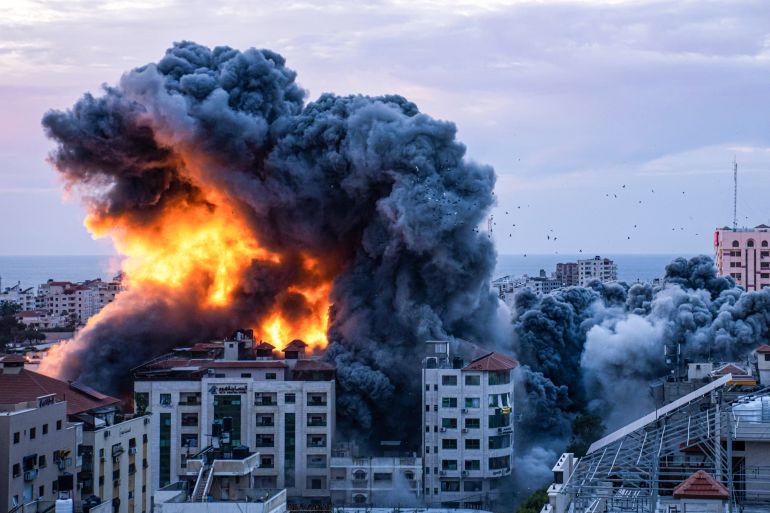
A U.S. invasion of Iran would rank among the most consequential geopolitical events of the decade, with implications extending across energy markets, regional stability, and global security architecture. The market reflects fundamental uncertainty about U.S. policy direction, the trajectory of tensions over Iran's nuclear program and regional proxy activities, and the willingness of Washington to undertake a major land war. At 29.5%, the market is pricing in meaningful but not extreme risk—substantially higher than the near-zero baseline before periods of heightened tension, but well below levels that would suggest market consensus on invasion as the likely outcome.
Key Factors
Several dynamics underpin the current odds. First, the nuclear dimension remains unresolved: Iran's nuclear program continues advancing while international diplomatic mechanisms have stalled, leaving the status quo as an unstable equilibrium that could eventually provoke military action. Second, Iran's regional activities—proxy forces in Syria, Iraq, Lebanon, and Yemen—create friction points and periodic crises that could escalate beyond current bounds. Third, U.S. domestic political considerations matter substantially; resource constraints, public appetite for overseas conflict, and competing military priorities all weigh against invasion. Fourth, the military complexity of invading and occupying a nation of 88 million people across difficult terrain remains daunting, with historical precedent (Iraq, Afghanistan) likely informing current risk calculations. Finally, Saudi and Israeli preferences for different escalation scenarios introduce allies into the decision calculus, potentially both increasing and decreasing invasion probability depending on regional developments.
Outlook
For the probability to move materially higher, traders would likely require either a direct Iranian attack on U.S. forces or assets, a significant acceleration in Iranian nuclear progress, or a demonstrable U.S. policy shift toward military options. Conversely, renewed diplomatic engagement or evidence of constraints on Iran's regional activities could push odds lower. The current 29.5% level suggests markets see invasion as a non-trivial tail risk rather than a baseline expectation, with the balance of probabilities still favoring de-escalation or stalemate through the end of 2026.