Market Overview
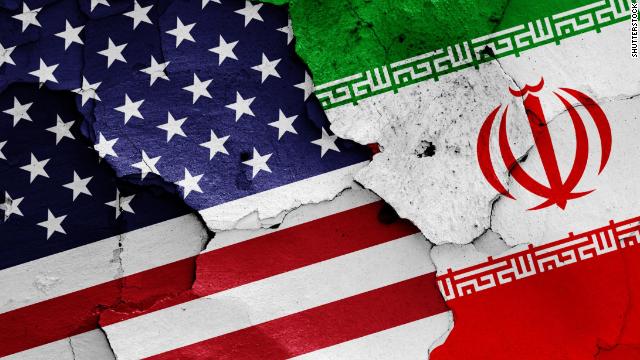
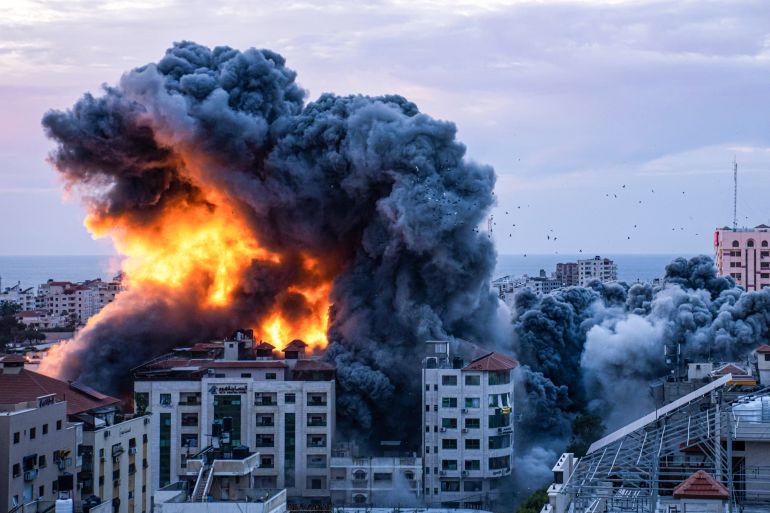
A prediction market assessing the likelihood of kinetic military action against Iran's Isfahan Nuclear Technology Center by the U.S. or Israel is currently priced at 100% certainty, with $1.37 million in trading volume. The market runs through March 31, 2026, and defines a triggering event as successful drone strikes, missile attacks, aerial bombings, or ground operations—explicitly excluding cyber attacks, sanctions, and intercepted strikes. The market's maximum probability indicates traders collectively believe such an attack is virtually inevitable within the specified timeframe.
Why It Matters
The Isfahan Nuclear Technology Center represents a critical component of Iran's nuclear infrastructure and has been a persistent flashpoint in U.S.-Israel-Iran tensions. Previous strikes on Iranian nuclear facilities—including the 2020 assassination of nuclear scientist Mohsen Fakhrizadeh and historical Israeli operations—underscore the real potential for escalation. Market pricing at certainty reflects broader concerns about regional stability and the possibility of renewed military confrontation, particularly given periodic cycles of tension and retaliation in the Middle East.
Key Factors
Several elements appear to underpin the market's extreme probability assessment. The historical pattern of Israeli strikes on Iranian nuclear infrastructure, ongoing rhetoric from both U.S. and Israeli officials regarding Iran's nuclear program, and periodic military brinkmanship create a credible baseline for concern. Additionally, the two-year resolution window extends through early 2026, providing substantial time for escalatory scenarios to materialize. However, the 100% probability suggests traders may be discounting the substantial uncertainties inherent in predicting specific military operations, including diplomatic off-ramps, deterrence effects, or de-escalation efforts.
Outlook
While the market's certainty reflects genuine risks, such an extreme probability deserves scrutiny. Prediction markets occasionally price tail risks too high when limited liquidity or consensus bias influences odds. Key developments that could shift this probability include diplomatic breakthroughs on Iran's nuclear program, changes in regional power dynamics, or shifts in U.S. foreign policy following elections. Conversely, further Iranian nuclear advances or regional crises could reinforce the current pricing. Traders should monitor Iran's nuclear activities, official statements from Washington and Israel, and broader Middle Eastern geopolitical developments for signals of market repricing.