Market Overview
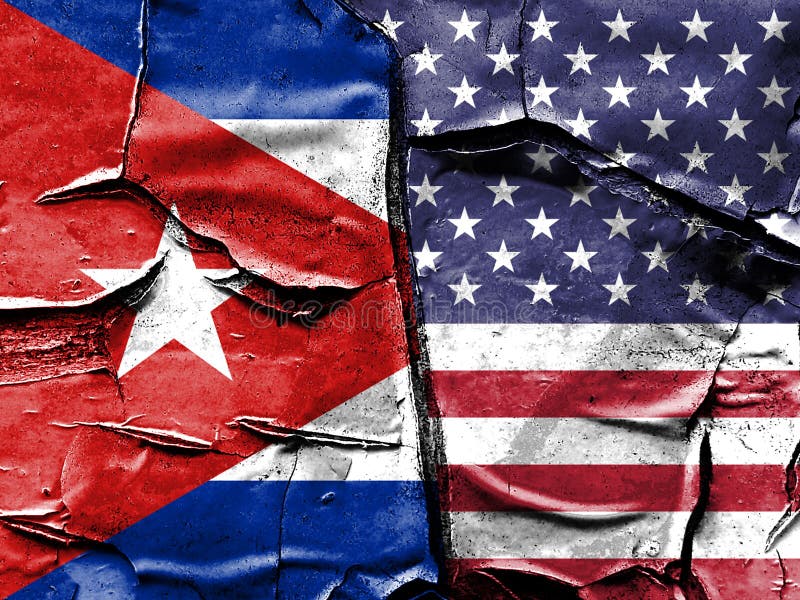
Traders are pricing a 26.5% probability that the United States will launch a military offensive to establish territorial control over Cuban land by December 31, 2026. The market has maintained this level consistently with $1.53 million in total volume, suggesting a relatively stable equilibrium among participants rather than reactive trading to breaking developments. This probability places the outcome in the \"unlikely but material\" range—well below 50% but substantially above negligible risk thresholds.
Why It Matters
A U.S. military invasion of Cuba would represent one of the most significant geopolitical shifts in the Western Hemisphere since the Cold War and would have sweeping implications for hemispheric relations, international law, and U.S. foreign policy. The resolution criteria specify military offensive action intended to establish control, distinguishing this from limited strikes or covert operations. Given the timeframe (approximately 24 months from market creation), traders are essentially assessing whether current political conditions or potential future crises could trigger such an escalation within a finite window.
Key Factors
The 26.5% probability reflects several underlying considerations. Cuba's geographic proximity to the U.S., its decades-long adversarial relationship with Washington, and periodic U.S. policy hardlines create baseline conditions where invasion scenarios, while remote, cannot be dismissed entirely. However, substantial countervailing factors constrain this probability: the absence of any active military staging or credible threat preparation, strong international legal prohibitions on such actions, and the significant military and humanitarian costs of an invasion. The 2026 timeframe is relatively near-term, limiting the window for the political or security circumstances that might prompt such action. Additionally, the resolution requirement for establishing control—not merely conducting military operations—sets a high bar that would require sustained commitment rather than brief intervention.
Outlook
Shifts in this market could emerge from several scenarios: escalating U.S.-Cuba tensions beyond current Cold War-era baseline friction, major internal instability in Cuba that U.S. policymakers perceive as requiring intervention, significant regional security developments affecting U.S. interests, or substantial changes in the U.S. political environment toward more hawkish Caribbean policies. Conversely, normalization of U.S.-Cuba relations or diplomatic breakthroughs could pressure the probability lower. The market's current equilibrium suggests traders view invasion as a tail risk—real enough to sustain material probability but contingent on developments beyond present indicators.