Market Overview
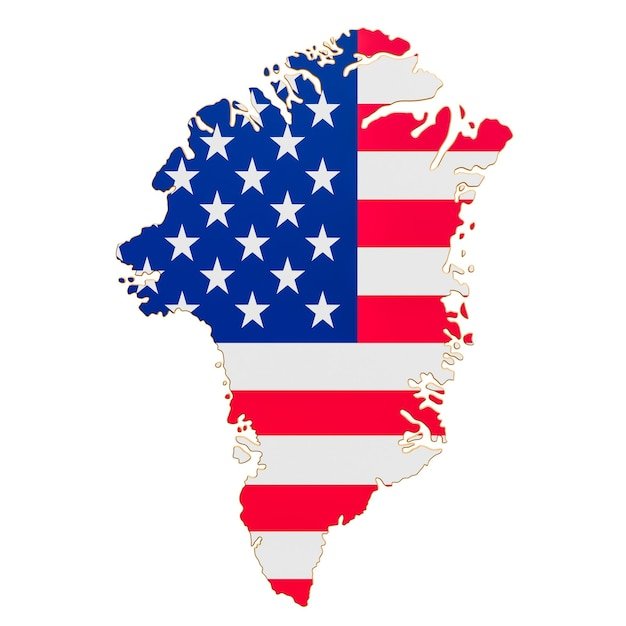
Prediction markets are currently pricing a 14% probability that the United States will acquire control over any portion of Greenland by December 31, 2026. The market has shown stable pricing over the past 24 hours, with substantial trading volume of approximately $9.7 million, indicating sustained interest among traders. The resolution criteria are narrowly defined, requiring a binding legal instrument that transfers sovereignty or establishes exclusive U.S. jurisdiction—not merely basing rights, commercial agreements, or non-binding proposals.
Why It Matters
Greenland holds significant strategic value due to its Arctic location, natural resources, and proximity to vital shipping routes and the North Pole. The island's geopolitical importance has elevated it to periodic discussion in U.S. foreign policy circles, particularly given climate change opening new Arctic opportunities and China's expanding polar interests. The specific resolution criteria—demanding formal sovereignty transfer or exclusive jurisdiction arrangements comparable to Guantánamo Bay—establish a high bar for market qualification, distinguishing between serious territorial acquisition and routine diplomatic or commercial engagement.
Key Factors
Several considerations underpin the 14% probability. Denmark maintains sovereignty over Greenland, which has significant home rule but remains an integral part of the Danish Realm. Any transfer of territory would require Danish and Greenlandic consent, making unilateral acquisition through force extremely unlikely in a contemporary geopolitical context. The resolution criteria explicitly exclude non-binding statements, negotiations, frameworks, and memoranda of understanding—categories that have characterized most public discussion of U.S. interest in Greenland. While the timeframe allows for rapid diplomatic developments, establishing a binding agreement that satisfies the market's definition would require extraordinary political realignment in Copenhagen and Nuuk.
Historically, the U.S. has purchased territory through formal treaties (Louisiana Purchase, Alaska), but modern precedent for territorial acquisition among developed nations is exceedingly rare. The market's 14% odds suggest traders view some non-trivial probability of either dramatic geopolitical shifts or innovative arrangements (such as an exclusive jurisdiction zone), while maintaining significant skepticism about formal transfer occurring within 24 months.
Outlook
Movement in this market would likely follow concrete diplomatic signals—signed agreements, legislative proposals, or formal government announcements accompanied by binding instruments. The current probability reflects a baseline of skepticism rooted in historical precedent and the formidable institutional barriers to territorial transfer among NATO allies. Without material developments in official negotiations, the market would be expected to remain anchored near current levels, with shifts driven primarily by unexpected diplomatic breakthroughs rather than evolving sentiment about existing proposals.