Market Overview
Prediction markets are currently assigning a 26.5% probability to a U.S. military invasion of Cuba within the next 12 months, according to trading data with substantial liquidity of $1.5 million in volume. This odds level has remained stable over the past day, suggesting a settled market consensus rather than reaction to breaking developments. The probability implies traders view such an outcome as unlikely but with material risk—comparable to the chance of drawing a specific card from a standard deck—rather than a remote or negligible scenario.
Why It Matters
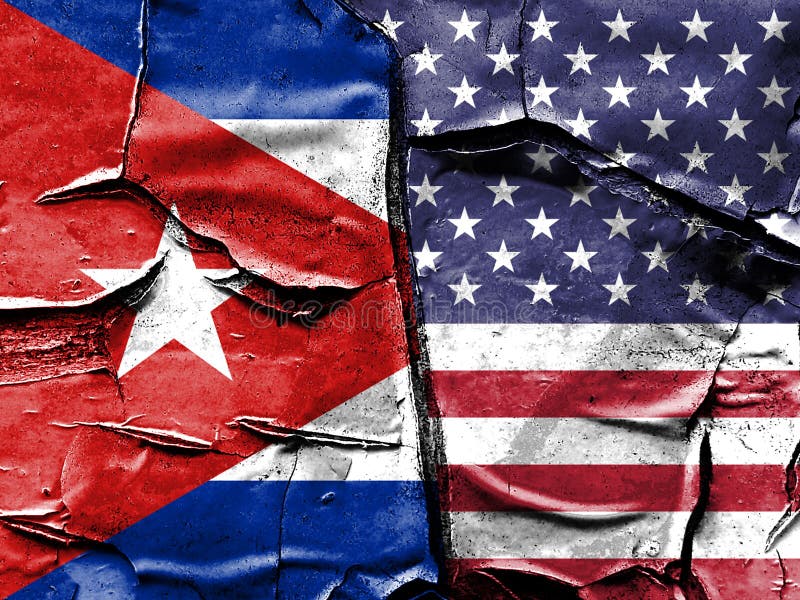
U.S.-Cuba relations remain one of the enduring flashpoints in Western Hemisphere geopolitics. Any military invasion would represent a dramatic escalation from decades of diplomatic isolation, sanctions, and proxy tensions. The definition in this market—requiring an offensive intended to establish territorial control—sets a high threshold, excluding limited strikes or humanitarian interventions. Resolution depends on whether combatants intend to hold Cuban land, making the distinction substantive for historical comparison.
Key Factors
Several dynamics appear to underpin the current odds. U.S.-Cuba tensions have cyclically intensified around migration crises, alleged cyberattacks, and strategic alignment with adversaries like Russia and China. The broader U.S. political environment, including ongoing debate over Venezuela policy and regional stability, keeps Cuba relevant in strategic discussions. However, the 26.5% probability also reflects structural restraints: a full-scale invasion would face significant logistical, diplomatic, and domestic political costs, particularly if framed as regime change rather than defensive necessity. International law and potential coalition fragmentation would complicate such an operation. The 2026 timeframe matters; traders are pricing risk within a relatively near-term window, not assessing decades-long possibility.
Outlook
Movements in this market would likely correlate with major escalations in U.S.-Cuba tensions, significant security incidents attributed to Cuba, or shifts in U.S. political leadership toward more interventionist postures. Conversely, normalization efforts or reduced regional tensions could lower the probability. The current mid-range odds suggest traders view invasion as contingent on circumstances that have not yet materialized at scale, while remaining plausible given historical precedent and ongoing friction. The stable 24-hour price indicates this probability reflects a durable assessment of structural risks rather than speculation around near-term catalysts.