Market Overview
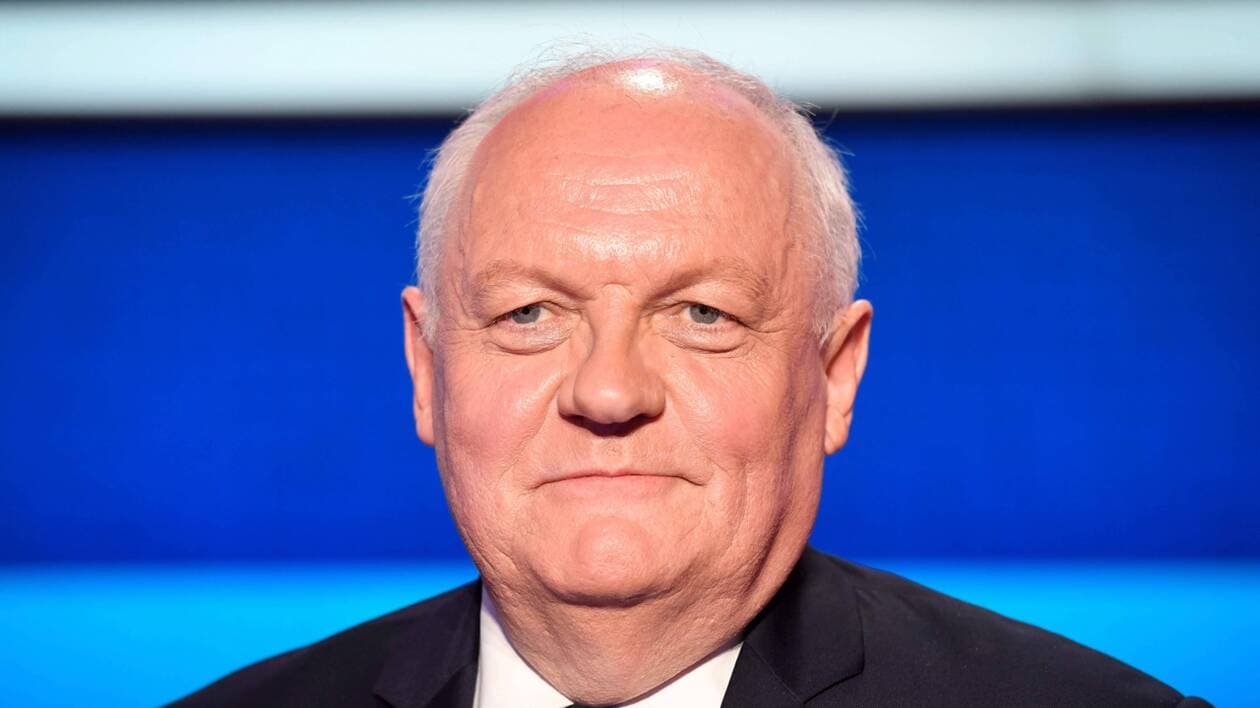
François Asselineau, president of the Union Populaire Républicaine (UPR), is currently priced at just 0.5% to win the 2027 French presidential election in the prediction markets. With trading volume exceeding $2.9 million, the market reflects significant interest in the broader French electoral landscape, though Asselineau's individual odds have remained stable at this minimal level. The two-round voting system means candidates must either achieve over 50% in the first round or finish among the top two to advance to a runoff, creating a high bar for any minor candidate.
Why It Matters
The 2027 election represents a critical juncture for French politics, occurring as the country navigates economic challenges, European policy debates, and questions about Emmanuel Macron's political legacy. While Asselineau remains a fringe figure, the market's pricing of his candidacy illustrates how prediction markets quantify viability thresholds in multi-candidate contests. His chances, measured at half of one percent, suggest traders view his path to either a first-round majority or a second-round slot as extraordinarily narrow.
Key Factors
Asselineau's marginal positioning stems from several structural factors. The UPR, founded in 2006, has failed to achieve meaningful parliamentary representation or breakthrough electoral performance in prior contests. His eurosceptic platform and calls for French withdrawal from the European Union have not resonated broadly with French voters compared to other populist or nationalist alternatives already present in the political landscape. The 2027 race will likely see stronger competition from established parties—both mainstream center and center-right formations as well as far-right and left-wing alternatives with larger constituencies—all commanding significantly higher market odds.
Outlook
Unless Asselineau's UPR experiences an unexpected surge in visibility or French political dynamics shift dramatically toward his specific policy platform, his 0.5% probability appears likely to remain static through the electoral cycle. Movements in his odds would likely require either consolidation of anti-EU sentiment around his candidacy—potentially displacing competitors with similar platforms—or a major media catalyst elevating his profile. For now, the prediction market consensus reflects his status as a long-shot candidate operating far outside the mainstream competition expected to dominate the April 2027 vote.