Market Overview
Prediction markets currently assess a 26.5% probability that the United States will launch a military offensive to establish control over Cuban territory by December 31, 2026. The market has drawn nearly $1.53 million in trading volume, indicating active engagement from participants weighing the likelihood of military intervention in the Caribbean. The stable probability over the past 24 hours suggests the market has settled into an equilibrium reflecting current geopolitical conditions, though the relatively high odds underscore persistent concern about potential escalation.
Why It Matters
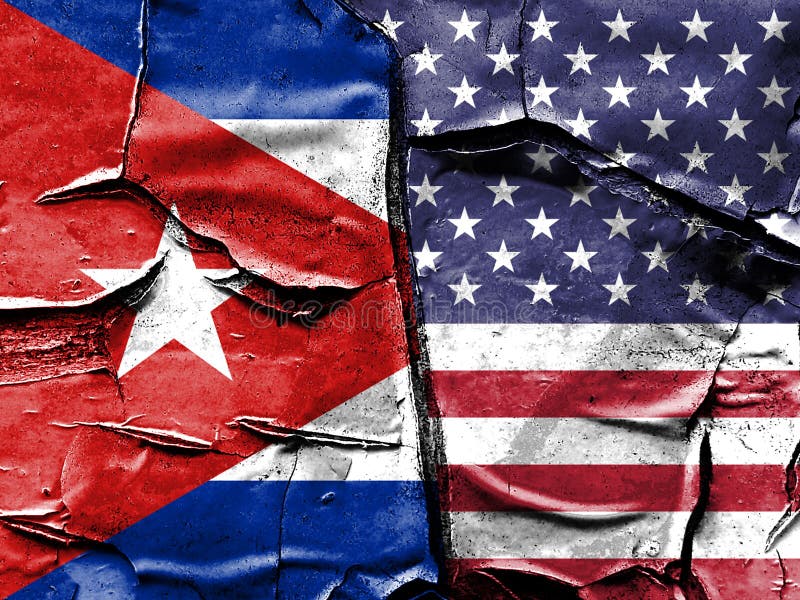
A U.S. military invasion of Cuba would represent one of the most significant geopolitical events in the Western Hemisphere in decades, with implications spanning U.S. foreign policy, regional security dynamics, and international relations. Such an action would mark a dramatic reversal from the diplomatic opening initiated in 2014 and would likely trigger international condemnation. The probability traders are assigning—roughly one chance in four—is material enough to warrant serious consideration by policymakers, defense planners, and investors exposed to regional risks, even if it remains a minority outcome.
Key Factors
Several variables are likely influencing the current market assessment. U.S.-Cuba relations remain adversarial, with ongoing disputes over sanctions, the naval base at Guantanamo Bay, and Cuba's alignment with U.S. adversaries including Russia and China. The composition of U.S. political leadership, Cold War-era rhetoric that resurfaces periodically, and Cuba's internal instability or external actions could all shift calculations. Additionally, traders may be factoring in broader hemispheric tensions, domestic political pressures in the U.S., and the possibility of miscalculation or unexpected crises. Notably, the 26.5% probability suggests traders view invasion as unlikely but far from implausible—a meaningful tail risk rather than a baseline scenario.
Outlook
Movement in this market would likely be triggered by significant developments: a major security incident involving Cuban entities, substantial changes in U.S. political leadership or military posture toward Cuba, or escalation in regional conflicts. A reduction in tensions or formal diplomatic engagement could lower the probability, while accusations of Cuban involvement in attacks on U.S. targets or destabilization in neighboring countries could raise it. The market's current state reflects a world in which invasion remains a low-probability event, but one with enough plausibility given historical precedent and ongoing antagonism to command meaningful odds among sophisticated forecasters.