Market Overview
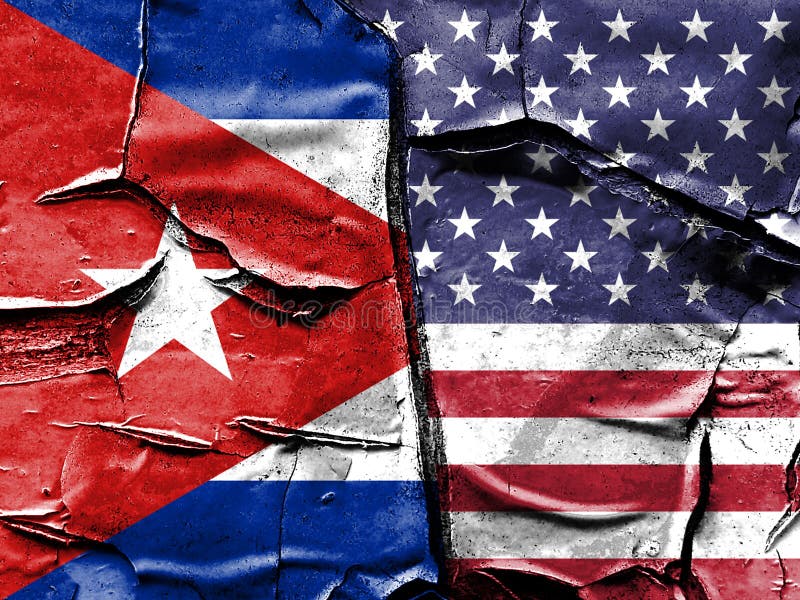
Prediction markets are currently pricing the probability of a U.S. military invasion of Cuba during 2026 at 26.5%, with relatively stable sentiment over the past 24 hours. The market has attracted substantial liquidity, with over $1.5 million in total volume, indicating active trader participation and genuine price discovery. At this probability level, markets are pricing the scenario as a meaningful but minority outcome—more likely than a coin flip might suggest, but substantially less probable than not occurring.
Why It Matters
A potential U.S. military invasion of Cuba would represent a major shift in Western Hemisphere geopolitics and could trigger significant global repercussions. The scenario carries implications for regional stability, international law, and U.S. foreign policy doctrine. For investors and analysts tracking geopolitical risk, this market reflects real uncertainty about how escalating U.S.-Cuba tensions or broader hemispheric developments might unfold over a 24-month horizon.
Key Factors
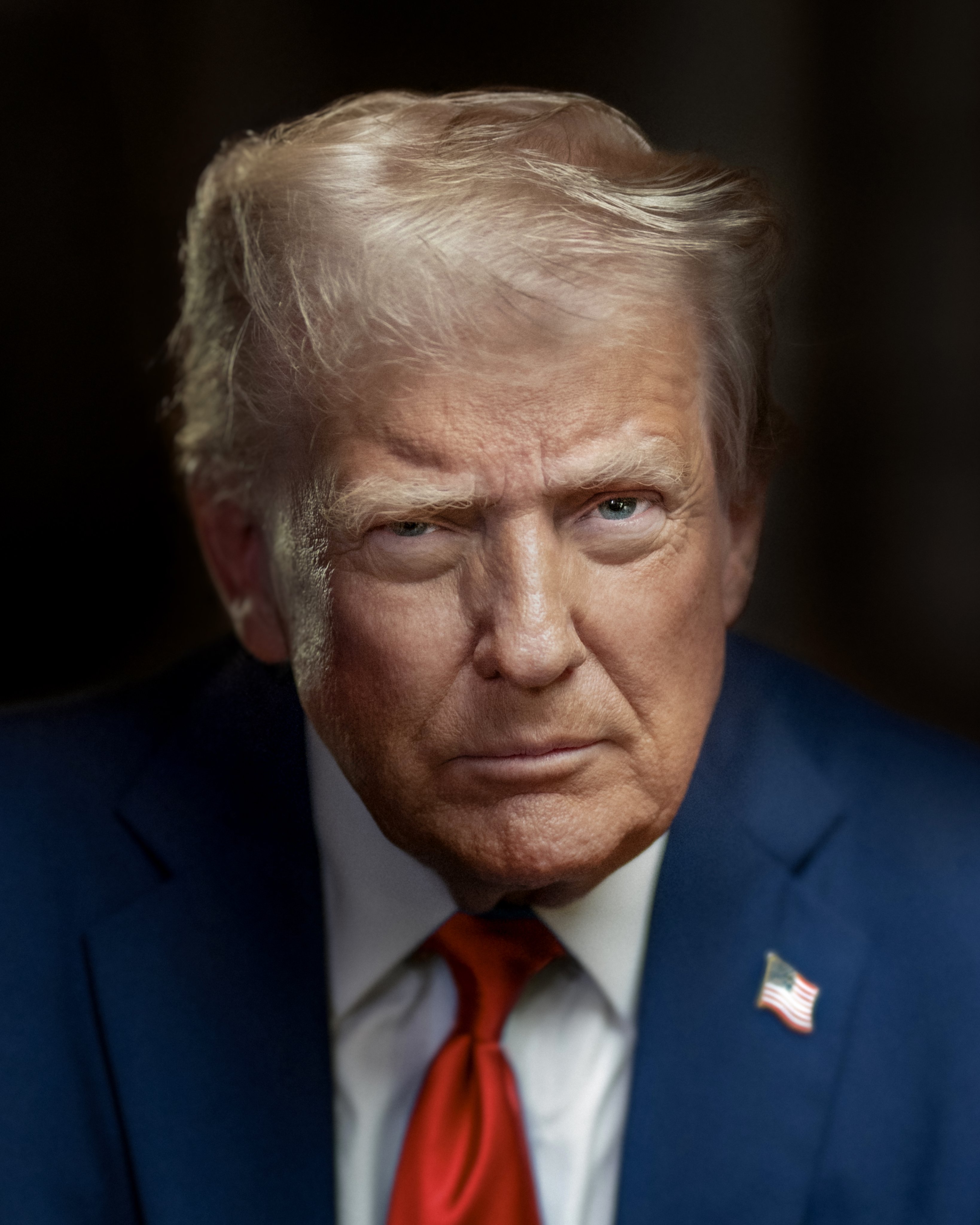
Several drivers appear to be sustaining the elevated probability. Current U.S.-Cuba relations remain adversarial, with disputes over economic sanctions, human rights concerns, and Cuba's alignment with U.S. adversaries like Venezuela and Nicaragua. The Trump administration's hardline approach to Cuba during its first term demonstrated willingness to pursue aggressive policies toward the island. Additionally, domestic political pressures in the United States—particularly within Florida's large Cuban-American diaspora—can influence U.S. policy direction. However, constraining factors are substantial: a full-scale invasion would face significant logistical and military costs, potential international backlash, and domestic political opposition. The resolve required for such an operation remains uncertain absent a dramatic triggering event.
Outlook
For the market to shift materially, traders appear to be monitoring developments such as major political upheaval in Cuba, direct military provocations, or significant shifts in U.S. political leadership and doctrine. The current 26.5% probability suggests markets view the scenario as possible but contingent on circumstances that have not yet crystallized. Substantial movement would likely require concrete escalation rather than rhetorical posturing, and traders appear calibrated to distinguish between policy rhetoric and operational likelihood. The market's relative stability indicates this assessment has settled into a working consensus among active traders.