Market Overview
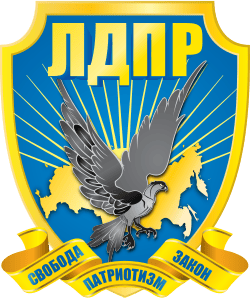
Prediction market traders are assigning just a 5.1% probability to the LDPR—Russia's longest-serving opposition party—capturing the greatest number of seats in the 2026 State Duma elections. With $2.2 million in trading volume, the market reflects a consensus view that the party remains a secondary force in Russian parliamentary politics, far behind the dominant United Russia party and other establishment factions. The LDPR's position reflects both its structural constraints and the broader political landscape heading into the election cycle.
Why It Matters
Russian parliamentary elections serve as key indicators of political stability and regime support, particularly given tight state control over electoral mechanics and media. The identity of the party gaining the most seats signals which factions the Kremlin sees as strategically valuable. The LDPR's persistent presence in the Duma despite minimal ideological differentiation from the government makes its electoral performance a barometer of how effectively the ruling system can manage different party vehicles. A significant LDPR seat gain would represent a notable shift in elite preferences toward nationalist or populist positioning.
Key Factors
The LDPR's low probability reflects several structural realities. The party, led by Leonid Slutsky since 2022, operates within a heavily managed electoral system where United Russia has consistently dominated as the dominant party aligned with state interests. Historical precedent strongly favors established party hierarchies—United Russia has led in seat gains or seat counts in recent elections, and this pattern is unlikely to shift without major political reorganization. The LDPR lacks the institutional resources, media access, and apparent Kremlin backing that would be necessary to outpace competitors. Additionally, parties like the KPRF and A Just Russia maintain stronger ideological positioning and voter bases, making them more plausible challengers in a realistic upset scenario than the LDPR.
Outlook
For the LDPR's probability to rise meaningfully, the party would need either significant political reorganization favoring nationalist messaging in the run-up to 2026, or a dramatic collapse in support for competing parties—scenarios the market currently views as remote. Developments such as major shifts in Kremlin factional preferences, significant changes in electoral law, or unexpected geopolitical events could alter the calculus, but absent such disruptions, the LDPR appears locked into its position as a minor player. Traders should monitor Kremlin elite signaling and LDPR party developments in 2025 as the election approaches, though the current market assessment reflects substantial structural headwinds facing the party.