Market Overview
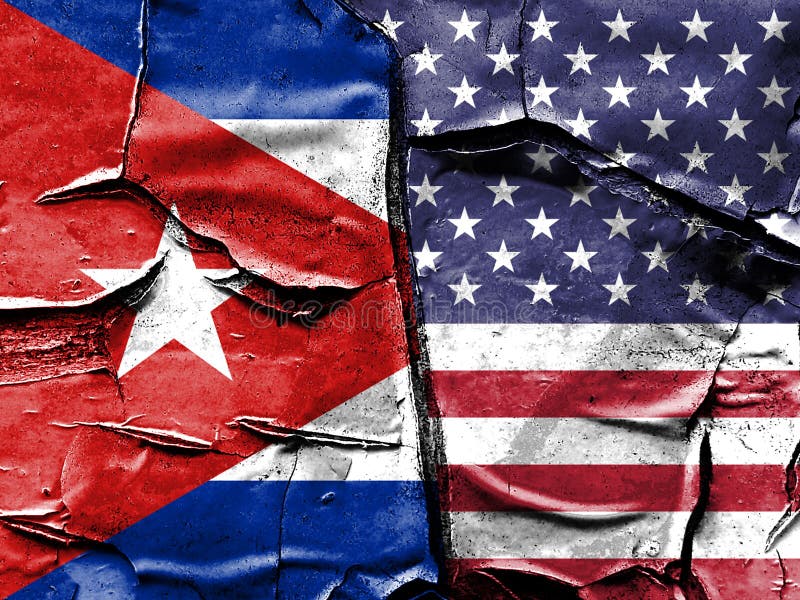
Prediction market traders are assigning a 26.5% probability to a U.S. military invasion of Cuba by the end of 2026, according to current market odds. The market has maintained this level with no notable movement over the past 24 hours, despite trading volume of approximately $1.5 million, suggesting a degree of conviction among participants around this midrange estimate. The relatively robust liquidity indicates meaningful interest in the outcome, though the price itself reflects substantial skepticism that such an invasion would occur.
Why It Matters
The question of U.S. military intervention in Cuba carries significant implications for regional stability, international law, and U.S. foreign policy. Any such invasion would represent a dramatic escalation in U.S.-Cuba relations and would likely trigger international diplomatic and potential military responses. The market probability, while elevated above base rates for military conflict, still suggests traders view an invasion as distinctly unlikely within the 12-month window, even as geopolitical conditions remain fluid.
Key Factors
Several factors appear to underpin the current 26.5% probability. Historical tensions between the United States and Cuba persist, including disputes over the Guantanamo Bay naval base, ongoing embargo conditions, and broader Caribbean security concerns. Political transitions in the United States could influence foreign policy calculus, as different administrations prioritize Cuba policy differently. Additionally, regional developments involving other actors—such as China or Russia expanding influence in the Caribbean—may factor into trader assessments of intervention likelihood. However, the substantial institutional and diplomatic costs of invasion, combined with the absence of an imminent triggering crisis, appear to weigh heavily against the outcome in trader calculations.
Outlook
The market's stable pricing suggests traders see limited catalysts for sharp movements in either direction in the near term. Any material shift in Cuba policy following elections or major geopolitical incidents in the Caribbean region could alter these odds. Conversely, if 2026 approaches without significant escalation or policy shifts, traders may drift probabilities lower. The current midrange pricing reflects genuine uncertainty about an inherently unpredictable scenario, making this market a barometer of evolving risk assessments around U.S.-Cuba relations and broader hemispheric security dynamics.