Market Overview
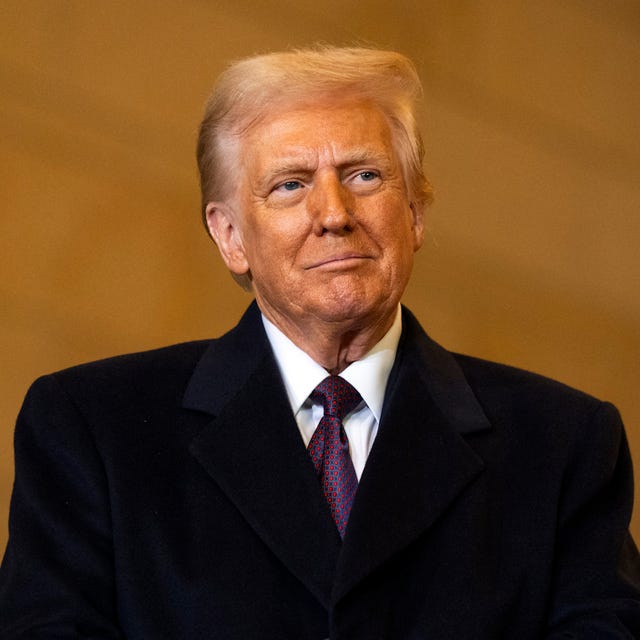
Prediction markets currently assess Donald Trump's probability of winning the 2026 Nobel Peace Prize at 6.5%, with volume exceeding $2.6 million indicating substantial participant interest in the outcome. The market has remained stable at this level over the past 24 hours, suggesting a consensus valuation among traders. The low absolute probability reflects the contrarian nature of such an award given Trump's polarizing global image, though it is worth noting that the Nobel Peace Prize has occasionally recognized controversial figures or rewarded geopolitical engagement rather than universal acclaim.
Why It Matters
The Nobel Peace Prize carries significant symbolic weight in international diplomacy and can substantially enhance the political standing of recipients. A Trump win in 2026 would represent a dramatic validation of his foreign policy approach by one of the world's most prestigious award bodies, potentially reshaping his political narrative ahead of potential future campaigns. Conversely, the market's modest odds reflect prevailing skepticism about whether the Norwegian Nobel Committee would recognize Trump's diplomatic efforts, particularly given his departure from traditional alliance structures and controversial international positions.
Key Factors
Several factors appear to constrain Trump's odds. The Nobel Peace Prize committee has historically favored candidates advancing nuclear disarmament, human rights, or conflict resolution through multilateral frameworks—areas where Trump's record is contested. His presidency featured direct diplomacy with adversarial states, including North Korea, which some supporters cite as peace-building but critics view as inconsistent with broader security concerns. Additionally, the market's resolution framework prioritizes Trump over other listed candidates (Zelenskyy, Netanyahu, Putin, and Musk) only if all are joint recipients, meaning competing figures could prevent his individual victory. Geopolitical developments in 2025 and 2026—particularly any major peace agreements Trump might facilitate—would be the primary lever to shift these odds materially higher.
Outlook
For Trump's probability to increase significantly, markets would likely require concrete evidence of major diplomatic breakthroughs in 2025-2026, such as peace accords in ongoing conflicts or de-escalation of major international tensions attributed to his involvement. The current 6.5% probability suggests traders view such outcomes as possible but not highly probable given his track record and the committee's historical preferences. The market will remain sensitive to late-breaking diplomatic developments in the 12-18 months preceding the award announcement, but absent major geopolitical shifts, these odds appear likely to persist in the single-digit range through 2026.