Market Overview
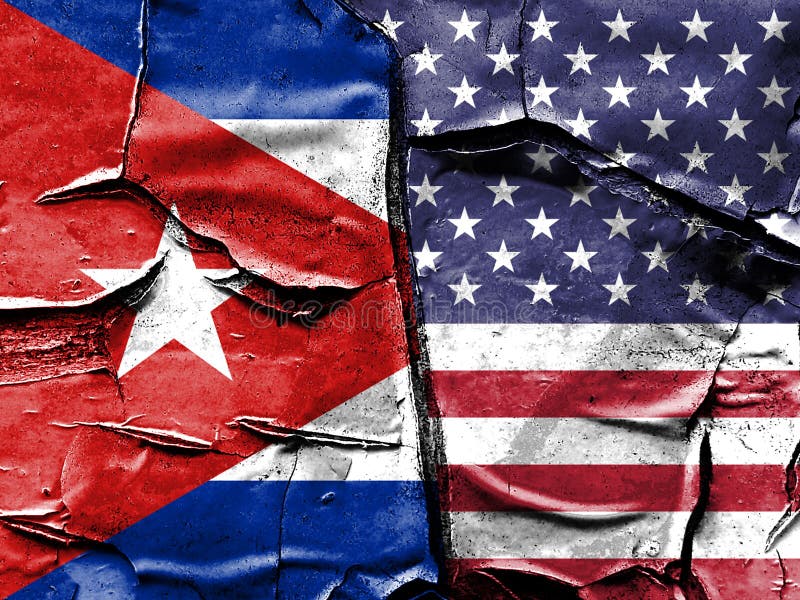
Prediction markets are currently assessing a 26.5% probability that the United States will launch a military offensive to establish control over Cuban territory by the end of 2026. With over $1.5 million in trading volume, the market reflects moderate but sustained interest in this low-baseline-probability geopolitical scenario. The probability has remained stable over the past 24 hours, indicating that traders are not reacting to breaking news but rather pricing in structural risk factors that persist in U.S.-Cuba relations.
Why It Matters
While a U.S. invasion of Cuba remains a low-probability event, the 26.5% price point signals that traders view the scenario as materially possible rather than purely theoretical. This matters because it reflects assessment of cascading geopolitical risks: regional destabilization, shifts in U.S. foreign policy posture, or unforeseen provocations could shift incentives. The market also serves as a barometer of risk perception among informed traders who monitor diplomatic and military developments closely. Any actual movement toward conflict would carry significant implications for Caribbean security, energy markets, and international law.
Key Factors
Several structural factors sustain the relatively elevated odds. The U.S. maintains long-standing strategic interests in the Caribbean and has historically intervened in the region; the precedent of the 1961 Bay of Pigs invasion and earlier military occupations (1898-1902) looms in background calculations. Current U.S.-Cuba tensions, including disputes over migration, cybersecurity, and proxy activities, provide ongoing friction points. Additionally, uncertainty about future U.S. administrations and their foreign policy priorities creates residual tail risk. The definition in the market—requiring \"commences a military offensive intended to establish control\"—sets a high bar that excludes limited strikes or humanitarian interventions, which narrows the resolution path but does not eliminate it.
Conversely, powerful countervailing factors push odds toward lower levels. Neither Cuba nor the United States has demonstrated recent appetite for direct military confrontation. Cuba's strategic vulnerability and lack of military parity with the U.S. act as a deterrent to provocation. International law and diplomatic costs would be substantial. The Biden administration and likely successors face competing strategic priorities in Eastern Europe, the Middle East, and the Indo-Pacific, making a Cuban invasion a low priority. The stability of the market price over recent hours suggests traders see no imminent catalysts.
Outlook
The market will likely remain sensitive to three categories of developments: major shifts in U.S. foreign policy doctrine or leadership; significant Cuban provocations or internal instability that Washington perceives as requiring intervention; or acute regional crises that create security pressures. Barring such shocks, the 26.5% level appears to reflect a consensus that invasion remains a tail risk rather than a baseline scenario. Traders monitoring this market should watch for changes in U.S.-Cuba diplomatic engagement, Cuban domestic stability, and broader shifts in American strategic posture toward Latin America, any of which could reshape the risk calculus as 2026 approaches.