Market Overview
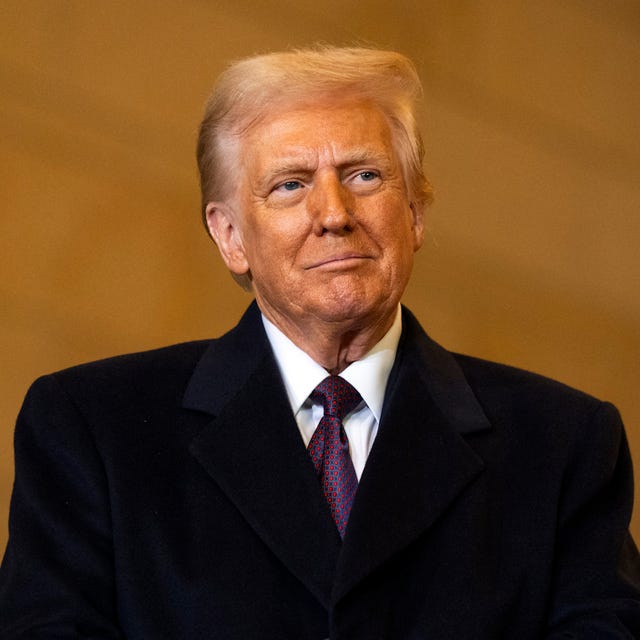
Donald Trump commands a 6.5% implied probability of winning the 2026 Nobel Peace Prize according to prediction markets, with trading volume exceeding $2.6 million indicating sustained interest in the outcome. The probability has remained stable over the past 24 hours, suggesting markets have reached an equilibrium assessment of his chances. This modest odds assignment positions Trump as a longshot candidate, though his inclusion in the market alongside other high-profile geopolitical figures—Volodymyr Zelenskyy, Benjamin Netanyahu, Vladimir Putin, and Elon Musk—reflects his continued relevance to international relations discourse.
Why It Matters
The Nobel Peace Prize carries symbolic weight in global politics, often reflecting international consensus on peacemaking achievements and humanitarian contributions. Trump's potential candidacy remains contentious; while supporters have nominated him for the award in previous cycles citing his role in Middle East diplomatic initiatives and the Abraham Accords, critics argue his tenure was marked by escalated tensions and withdrawn from international agreements. The 2026 award decision will ultimately reflect the Norwegian Nobel Committee's assessment of global peace efforts over the preceding years, making the probability estimate a barometer of how markets weigh Trump's diplomatic record against other potential honorees.
Key Factors
Several dynamics underpin the current 6.5% assessment. First, the historical difficulty of predicting Nobel Prize selections adds inherent uncertainty to any candidate's odds—the Committee's decision-making process prioritizes demonstrated peace advocacy and conflict resolution outcomes that may not align with market expectations. Second, Trump's divisive political profile creates asymmetric uncertainty; his supporters view his diplomatic efforts favorably while detractors question their substantive impact, fragmenting the pool of observers who might confidently predict his selection. Third, competing candidates—particularly if international crises produce new peacemaking figures between now and the 2026 announcement—could further diminish his relative chances. Finally, Trump's ongoing involvement in U.S. politics and potential legal or political developments could either strengthen or weaken his candidacy depending on how such events are perceived internationally.
Outlook
Markets will likely reassess Trump's odds based on several developments. Significant diplomatic breakthroughs or conflict resolutions he facilitates—or fails to facilitate—could shift probabilities meaningfully. Similarly, emergence of other prominent peacemaking figures or organizations addressing major global challenges could compress his percentage further. International events, including escalation or de-escalation of major conflicts, will shape the Committee's broader assessment of the global peace landscape. Until the award approaches, the 6.5% probability suggests markets view Trump as a possible but unlikely recipient, contingent on both demonstrated peacemaking achievement and a favorable international consensus that remains uncertain.