Market Overview
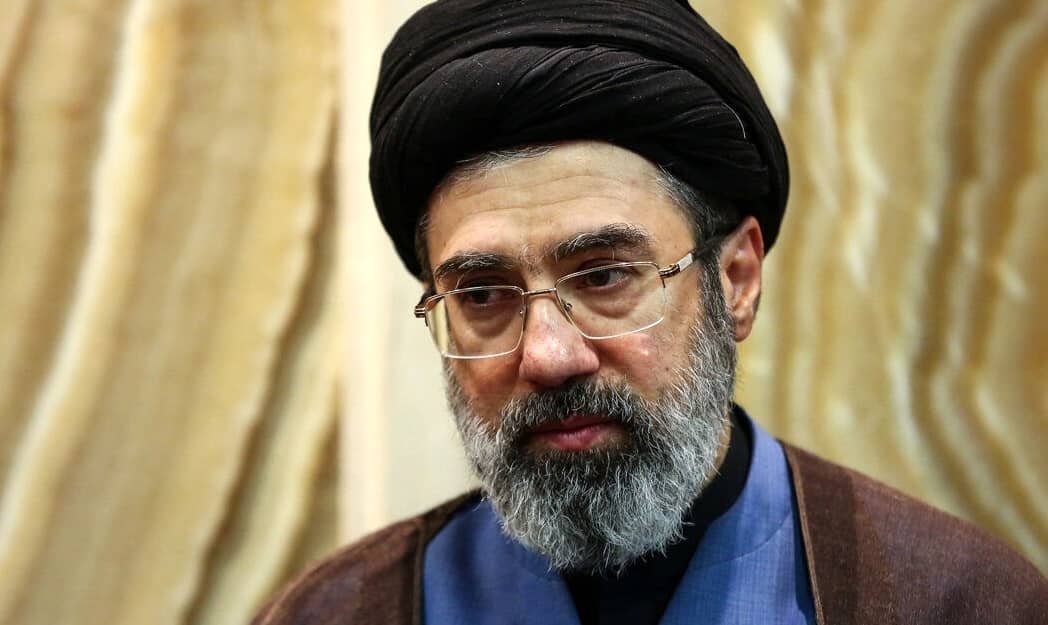
Prediction markets are currently assigning a 33.5% probability to a leadership change in Iran's top position by year-end, with trading volume of approximately $2.08 million indicating substantial market interest in the outcome. The question specifically targets Mojtaba Khamenei, who is positioned as the likely successor to Supreme Leader Ayatollah Ali Khamenei, currently the Islamic Republic's highest-ranking official. The market's resolution criteria extend beyond formal succession to include removal from power, detention, or any loss of de facto control over Iran's government.
Why It Matters
Iran's succession dynamics carry significant geopolitical weight given the country's regional influence, nuclear program, and impact on Middle East stability. Any involuntary change in leadership—whether through internal power struggles, health crises, or external pressure—could substantially alter Iran's domestic and foreign policy trajectories. The 33.5% probability suggests traders see meaningful risk of disruption to the current power structure within a relatively compressed timeframe, despite Mojtaba Khamenei's apparent positioning within Iran's elite hierarchy. This level of probability reflects genuine uncertainty about Iran's internal political stability over the final months of 2024.
Key Factors
Several considerations appear to underpin the current odds. Ayatollah Ali Khamenei, now 85 years old, has held the Supreme Leader position since 1989, raising succession questions as part of Iran's longer-term political landscape. Health and mortality risks are inherent in any aging leadership structure, though no recent credible reporting indicates immediate incapacity. Internal factional competition within Iran's government—between hardliners, pragmatists, and Revolutionary Guard interests—creates structural uncertainty about power consolidation during any transition. Additionally, the resolution criteria's broad definition of losing de facto control means detention or temporary incapacity would trigger a \"Yes\" resolution, lowering the threshold from permanent succession. International pressure, sanctions regimes, and potential military escalation in the region represent exogenous risk factors that could destabilize Iran's leadership.
Outlook
The stable 33.5% probability over the 24-hour period suggests the market has settled into a equilibrium reflecting baseline geopolitical risk rather than reacting to specific breaking news. Developments that could shift probabilities include official health announcements concerning Iran's current Supreme Leader, visible factional conflict within Iran's upper echelons, external military or diplomatic shocks, or credible reporting of succession planning disputes. Conversely, public statements reaffirming leadership stability or Mojtaba Khamenei's consolidation of control could lower the probability. The relatively high odds assigned to a year-end transition suggest traders view Iran's political system as carrying material succession risk, though the December 31 deadline constrains the window for resolution and may contribute to keeping probabilities from reaching crisis levels.