Market Overview
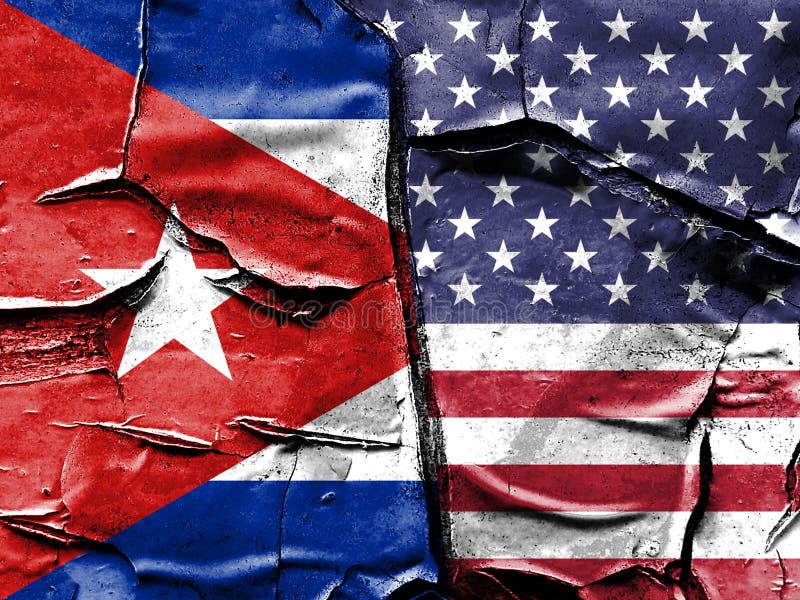
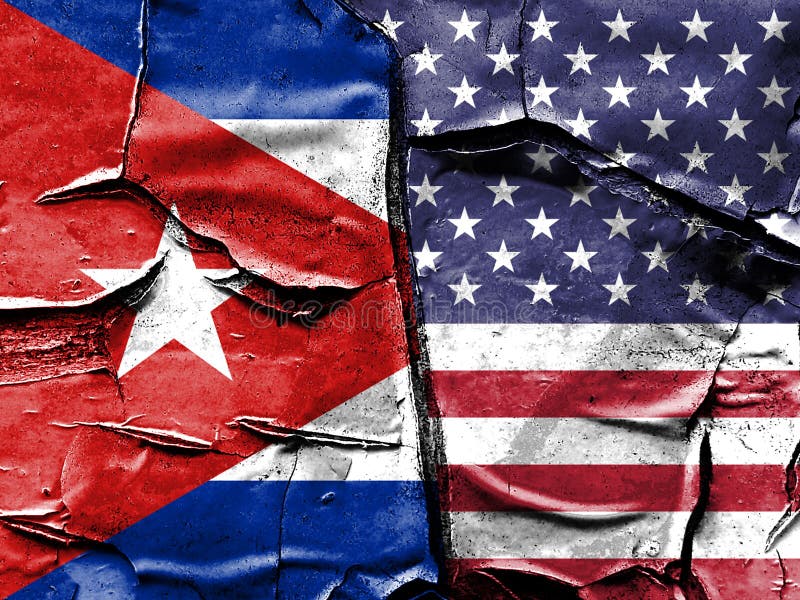
Prediction markets currently assess the probability of a U.S. military invasion of Cuba during 2026 at 26.5%, a level that has remained stable over the past 24 hours despite significant volume in the contract. With over $1.5 million in total trading activity, the market reflects substantial investor interest in this geopolitical scenario, suggesting meaningful uncertainty among traders about the possibility of military escalation in the Western Hemisphere.
Why It Matters
A U.S. military invasion of Cuba would represent a dramatic shift in hemispheric relations and could trigger significant global instability. Such an action would mark the most direct military intervention in the region in decades and would carry substantial implications for international law, regional alliances, and broader U.S. foreign policy. The market's assessment at roughly one-in-four odds indicates that while traders consider this outcome unlikely, they view it as a material risk warranting serious consideration rather than a negligible tail event.
Key Factors
Several elements appear to be driving the current probability assessment. U.S.-Cuba relations remain fundamentally strained, with ongoing disputes over sanctions, regime governance, and regional influence. The political climate in Washington, where hardline positions on Cuba policy have support among certain constituencies, adds a layer of uncertainty about potential policy shifts. Additionally, broader geopolitical tensions involving China and Russia—both of which maintain strategic interest in Cuba—could theoretically alter U.S. calculus regarding military intervention. However, the substantial diplomatic, military, and economic costs of invasion, combined with the absence of immediate military buildup or clear casus belli, likely explain why the market assigns this outcome a minority probability rather than treating it as highly probable.
Outlook
Future movements in this market would likely be triggered by material escalations in U.S.-Cuba tensions, major shifts in U.S. political leadership or foreign policy doctrine, significant destabilizing events in Cuba itself, or changes in great power dynamics that might alter strategic calculations. Without such catalysts, the current odds suggest traders expect the status quo of heightened tensions and sanctions to continue rather than escalate into military conflict. The market will remain sensitive to both domestic U.S. political developments and any incidents that could shift perceptions of invasion probability during the 2026 time window.