Market Overview
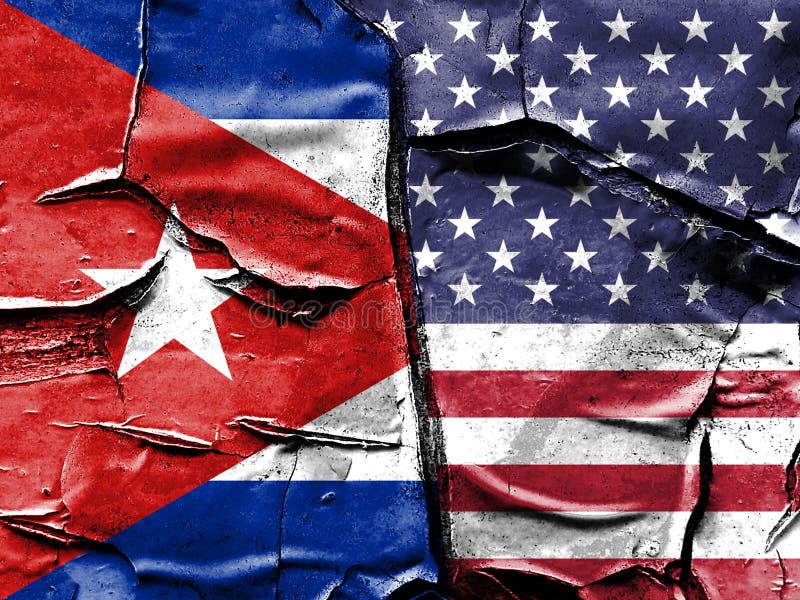
Prediction markets are currently assigning a 36.5% probability to a US-initiated drone, missile, or air strike on Cuban soil by the end of 2024, unchanged from 24 hours prior despite substantial trading activity. The market has accumulated over $1 million in volume, indicating active participation from traders navigating heightened geopolitical concerns. The definition of a qualifying strike is narrow and specific: aerial bombs, drones, or missiles that physically impact Cuban territory, excluding intercepted weapons or naval/artillery actions. Any strike claimed by either Donald Trump or the US government would satisfy resolution criteria.
Why It Matters
A US military strike on Cuba would represent a significant escalation in hemispheric relations and mark a dramatic departure from decades of Cold War precedent. While diplomatic channels and economic sanctions have been primary tools of US policy toward Cuba in recent decades, the possibility of kinetic military action carries substantial geopolitical weight. The market's pricing reflects genuine uncertainty about escalation risks, though it also acknowledges that military strikes remain a relatively low-probability outcome even under current tensions. The timeframe—just over one month—concentrates the resolution window, making this a near-term risk assessment rather than a long-term scenario analysis.
Key Factors
Several dynamics appear to be driving the 36.5% probability. US-Cuba relations have experienced periodic flare-ups, particularly around issues involving alleged sonic attacks on US diplomats, cyber operations, and arms transfers. The Trump administration's historical approach to Cuba was notably more confrontational than its predecessors, emphasizing maximum pressure policies. Current geopolitical tensions involving Russian activities in the Western Hemisphere, including reported military deployments near Cuba, may be factoring into market participants' assessments of escalation risks. However, sustained military operations require significant logistical planning and policy deliberation, and prediction market participants appear to view such an action as possible but not probable within the compressed timeframe.
Outlook
The market's current probability of 36.5% suggests traders see meaningful but not overwhelming risk of kinetic action. For the probability to shift materially upward, catalysts would likely include credible reports of imminent military planning, major escalatory incidents, or explicit policy announcements. Conversely, de-escalatory diplomatic signals or passage of time without incident could reduce the probability. The rigid resolution criteria—requiring credible reporting by the second day after any strike occurs—means that ambiguous incidents would resolve as \"No,\" potentially creating a high bar for \"Yes\" outcomes. The substantial trading volume indicates this market is actively monitored, and significant new developments in US-Cuba tensions would likely drive rapid repricing.