Market Overview
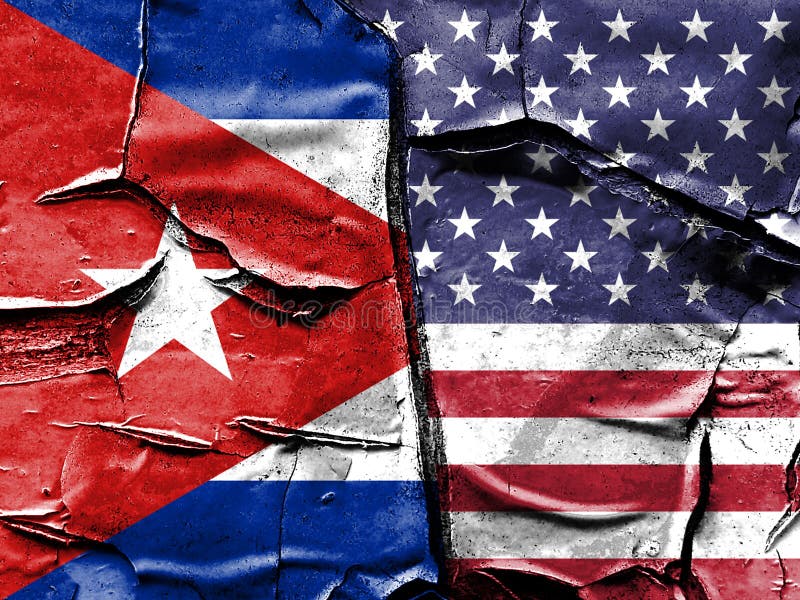
Prediction market traders are assigning a 26.5% probability to a U.S. military invasion of Cuba sometime in 2026, according to current market pricing. With nearly $1.6 million in volume and no significant price movement over the past 24 hours, the market appears to have settled on this probability as a baseline reflection of geopolitical risk. The definition is narrowly scoped: the resolution requires the U.S. to commence a military offensive with the explicit intent to establish control over Cuban territory by December 31, 2026. Blockades, airstrikes without territorial objectives, or covert operations would not trigger a \"Yes\" resolution.
Why It Matters
The prospect of a direct U.S. military intervention in Cuba remains one of the most consequential geopolitical scenarios facing the Americas. Any invasion would represent a dramatic escalation in hemispheric relations, with implications for international law, regional stability, and broader great-power dynamics. The market probability—roughly one-in-four—suggests traders see non-trivial risk of this outcome, though far below a coin flip. This level of pricing indicates the scenario is treated as plausible under certain conditions rather than as an imminent or highly probable event.
Key Factors
Several variables influence current odds. Cuban government stability, perceived threats to U.S. interests in the region, the political composition of the U.S. administration, and international response to any Cuban provocation or internal crisis would all bear on the likelihood of military action. The 26.5% probability also reflects baseline skepticism about military intervention absent extraordinary circumstances—the post-Cold War international environment generally constrains direct territorial conquest, and U.S. military engagement tends to face domestic political friction. Additionally, 2026 is less than two years away, which may compress the window for scenarios that would necessitate invasion rather than other policy tools. Economic pressure, diplomatic isolation, or targeted strikes represent alternatives to full-scale invasion that policymakers typically pursue first.
Outlook
Movement in this market would likely follow major shifts in U.S.-Cuba relations, developments within Cuba that threaten American interests, or significant changes in U.S. political leadership or foreign policy doctrine. A major security incident, regime change attempt, or humanitarian crisis in Cuba could raise odds materially. Conversely, diplomatic thaw or explicit U.S. policy statements ruling out military action would push probabilities lower. With the market currently stable, traders appear to view the baseline risk as moderate but not acute—implying that while invasion remains a tail-risk scenario worth pricing, most market participants do not expect the geopolitical or domestic political conditions necessary for such action to materialize within the specified timeframe.