Market Overview
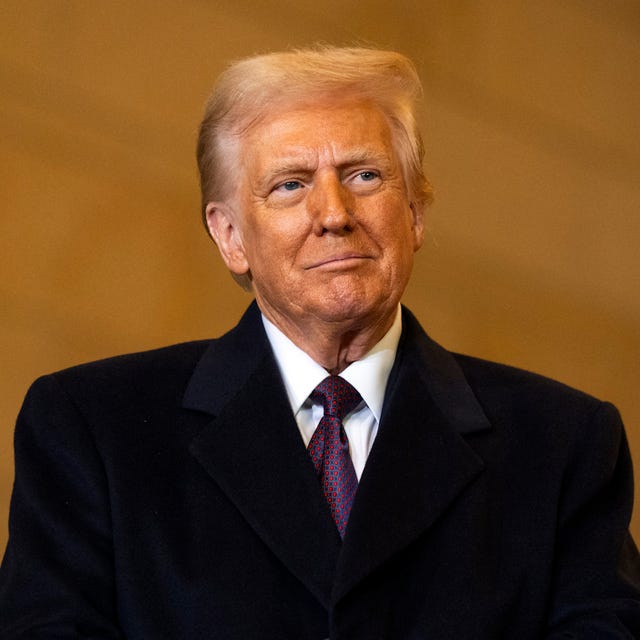
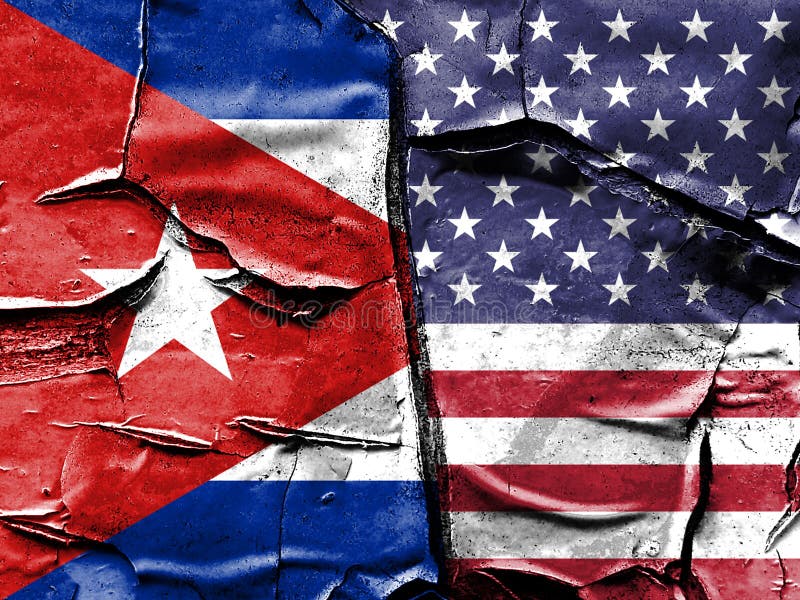
Prediction market participants are assigning a 26.5% probability to a U.S. military invasion of Cuba occurring by December 31, 2026, according to current market pricing. The question specifically defines invasion as the commencement of a military offensive intended to establish control over any portion of Cuban land territory. With substantial trading volume of $1.53 million, the market reflects genuine uncertainty among traders about the likelihood of such a dramatic escalation in U.S.-Cuban relations within the next 12 months.
Why It Matters
A U.S. military invasion of Cuba would represent a historic break with decades of post-Cold War international norms and would carry enormous geopolitical consequences. Such an action would likely trigger significant international backlash, potentially destabilize the Caribbean region, and could involve major powers including Russia and China. For traders and analysts, the market probability is notable not because invasion appears imminent, but because it suggests meaningful tail risk—a roughly one-in-four chance of a low-probability but high-impact event warrants serious consideration of the factors that could precipitate such a scenario.
Key Factors
Several factors appear to be driving the current 26.5% probability. The political composition of the U.S. government and rhetoric from senior officials influence market pricing, as does the broader trajectory of U.S.-Cuban relations. Recent years have seen fluctuations in U.S. policy toward Cuba depending on the administration in power. Additionally, internal Cuban political developments, migration crises, or humanitarian emergencies could theoretically provide justification narratives for military intervention, though historical precedent suggests the bar for such action remains extremely high. The market's moderate probability likely reflects uncertainty about how administration priorities, congressional support, and international pressure might align in a crisis scenario rather than confidence in any imminent trigger event.
Outlook
The stability of the probability over the past 24 hours suggests the market has settled into a baseline assessment rather than reacting to breaking news. Movement in this market would likely be driven by significant political developments in the United States, major crises affecting Cuba or Cuban migrants, changes in rhetoric from high-level officials, or shifts in regional military posture. Traders should monitor statements from U.S. leadership, developments in Cuban domestic politics, and any escalations in maritime or aerial incidents in the Florida Strait as potential catalysts for repricing.