Market Overview
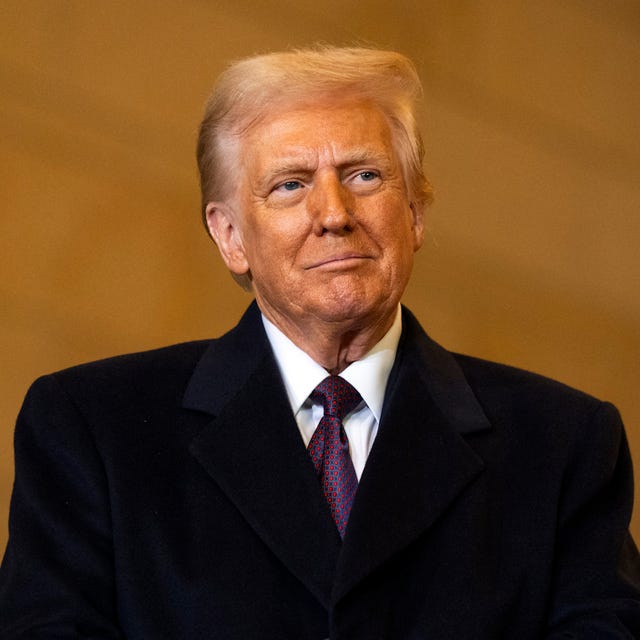
Donald Trump's probability of winning the 2026 Nobel Peace Prize remains stable at 6.5% in the prediction markets, with trading volume exceeding $2.6 million indicating consistent interest in the outcome. The market reflects a broad consensus that Trump faces significant headwinds in securing one of the world's most prestigious international honors. For context, the Norwegian Nobel Committee has awarded the prize annually since 1901 to individuals and organizations deemed to have made outstanding contributions to peace, with selections often reflecting geopolitical circumstances and diplomatic achievements.
Why It Matters
The Nobel Peace Prize carries symbolic weight well beyond academic recognition, functioning as a global endorsement of an individual's or organization's contributions to conflict resolution and international stability. A Trump win would represent a notable legitimization of his foreign policy record and could reshape international perceptions of his diplomatic legacy. Conversely, the low probability suggests markets view the committee's historical preferences and current global sentiment as working against such an outcome. The market also serves as a barometer for international assessment of Trump's standing in peace-building circles.
Key Factors
Several factors constrain Trump's odds. First, the Norwegian Nobel Committee has historically favored candidates actively engaged in multilateral institutions or peace processes at the time of selection. Trump's current positioning outside formal government reduces visibility on active peace initiatives. Second, the committee often awards the prize retroactively for past achievements or recognizes ongoing efforts by sitting leaders; Trump's presidency ended in January 2021, placing his diplomatic work at temporal distance from the 2026 award. Third, Trump's involvement in the Abraham Accords—a 2020 agreement normalizing Israeli-UAE relations—represents his strongest credential, yet remains contested internationally regarding its role in broader Middle East stability.
The market's resolution rules add complexity: if multiple candidates from a prioritized list (which includes Trump, Zelenskyy, Netanyahu, Putin, and Musk) win jointly, Trump ranks highest in the tiebreaker hierarchy. This structure slightly elevates his effective odds in scenarios involving joint awards, though such outcomes remain unlikely.
Outlook
For Trump's probability to materially increase, several developments would be necessary: either his direct involvement in a major international peace agreement in 2025-2026, or a significant shift in how the Norwegian Nobel Committee weights recent diplomatic achievements. The 6.5% level likely reflects base-rate probability for any given individual from a pool of thousands of plausible candidates globally, with modest premium attached to Trump's documented peace-related activities. Unless Trump pursues visible diplomatic engagement in the coming months, market odds are likely to remain in this range through the 2026 award announcement.