Market Overview
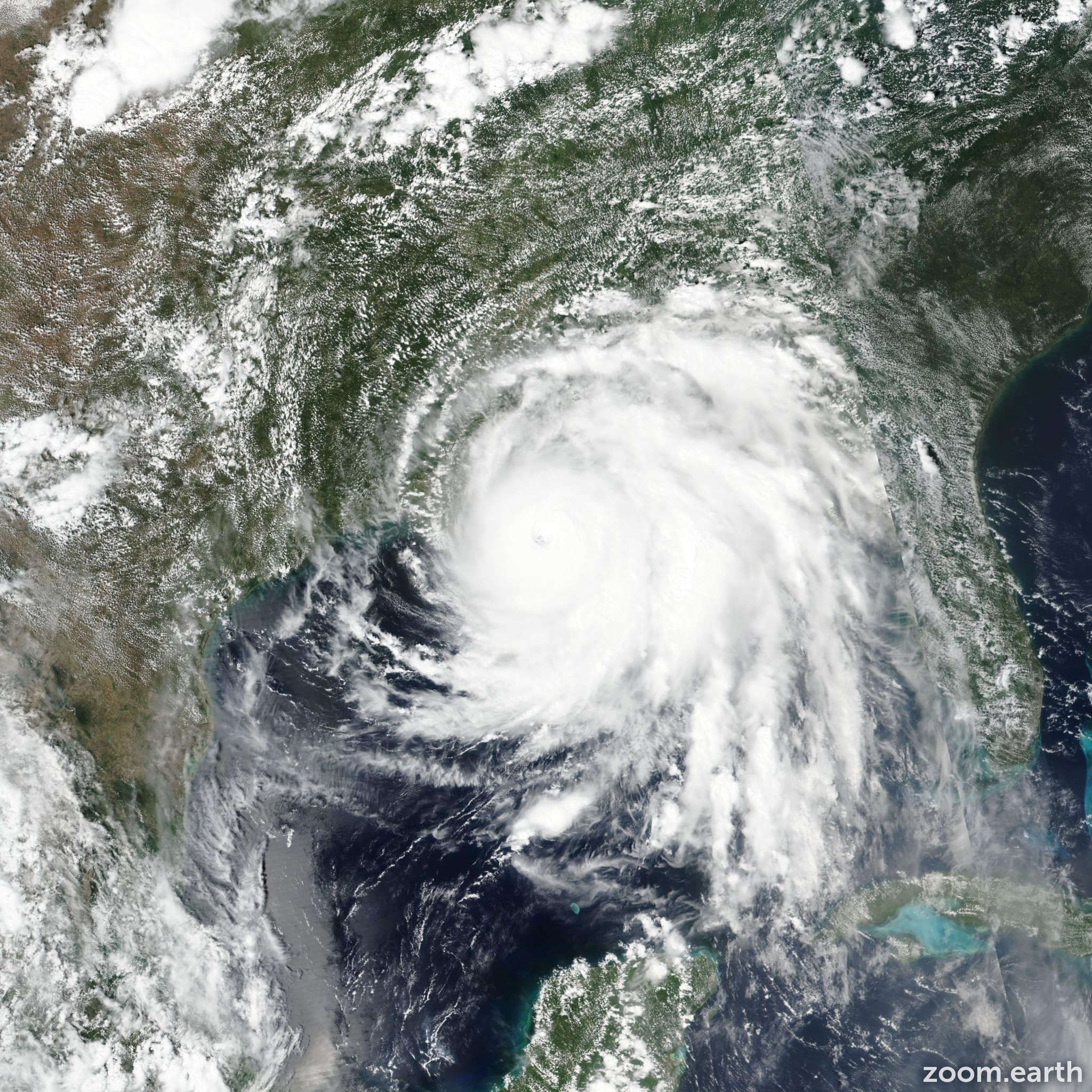
Prediction markets are currently assigning a 35% probability to a Category 4 hurricane making landfall in the conterminous United States before the end of 2026. This odds level has remained stable over the past 24 hours, with $326,300 in trading volume indicating moderate but sustained interest. The market specifically tracks storms with maximum sustained winds between 130-156 mph as officially designated by the National Hurricane Center at the moment of landfall.
Why It Matters
Category 4 hurricanes represent a threshold of severe destructive potential, capable of producing catastrophic structural damage and widespread power outages. These storms strike the U.S. mainland far less frequently than weaker hurricanes, making their occurrence relatively uncommon but consequential. The probability assessment matters for insurance markets, coastal emergency planning, and broader climate trend monitoring. With roughly 29 months remaining in the resolution period, the timeframe encompasses multiple hurricane seasons and provides a meaningful window for such an event to occur.
Key Factors
Historical data suggests Category 4 landfalls in the continental U.S. average roughly one every 5-10 years, though with significant year-to-year and decadal variation. The 35% probability reflects the baseline statistical likelihood across the remaining ~2.4 hurricane seasons covered by the market window. Recent hurricane seasons have shown variable intensity patterns, with some years producing multiple major hurricanes and others remaining relatively quiet. Sea surface temperatures, atmospheric circulation patterns, and the Atlantic Multidecadal Oscillation all influence the frequency and intensity of major hurricanes, though seasonal predictability remains limited beyond a few months.
The market's current odds suggest traders view the probability of at least one Category 4 landfall as modestly more likely than not across the two-year-plus timeframe—roughly consistent with long-term historical occurrence rates scaled to the specific period.
Outlook
The probability could shift based on several factors. An unusually active Atlantic hurricane season in 2025 or 2026, indicated by elevated tropical cyclone activity early in those seasons, might push odds higher. Conversely, if 2025's hurricane season produces few major hurricanes or if storms consistently weaken before reaching U.S. coasts, traders might lower the probability. Sea surface temperature anomalies and El Niño/La Niña conditions in the coming months could influence expectations, though such patterns themselves remain uncertain months in advance. The market will likely experience gradual repricing as each hurricane season unfolds and provides new empirical data.