Market Overview
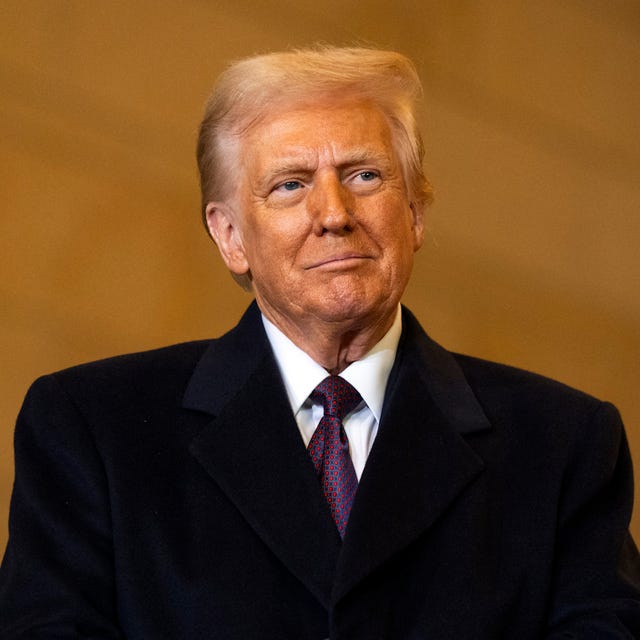
The Nobel Peace Prize prediction market for 2026 currently values Donald Trump's chances at 6.5%, unchanged over the past 24 hours despite substantial trading volume of $2.6 million. This modest probability sits well below consensus odds for other geopolitical figures who might plausibly compete for the award, suggesting market participants view a Trump victory as a significant long-shot outcome. The relatively stable price and high volume indicate this is an active market with meaningful participation, though the low probability reflects structural barriers to a Trump win.
Why It Matters
The Nobel Peace Prize represents one of the world's most prestigious and scrutinized honors, with the Norwegian Nobel Committee's selection carrying substantial symbolic weight in global affairs. A Trump victory would be historically controversial given his polarizing record and the prize's traditional emphasis on diplomatic achievement and humanitarian values. The market's assessment of Trump's chances therefore reflects broader trader assumptions about the Committee's likely priorities and what diplomatic accomplishments might be recognized by 2026. At 6.5%, the odds suggest traders see the outcome as possible but highly improbable compared to alternative candidates.
Key Factors
Several structural elements constrain Trump's winning probability. The Norwegian Nobel Committee has historically favored candidates with sustained diplomatic engagement, humanitarian impact, or conflict resolution achievements. Trump's foreign policy record remains divisive; while some supporters credit him with diplomatic initiatives in the Middle East, notably the Abraham Accords, critics point to escalated tensions with Iran, North Korea volatility, and withdrawal from international agreements. The Committee tends to avoid candidates whose presidencies—or public profiles—generated significant international controversy, which applies to Trump. Additionally, the resolution mechanism gives precedence to multiple candidates in a specific order (Trump ranks first among five named individuals), but this only matters if multiple winners are named; a Trump sole winner remains the baseline scenario.
The market faces inherent uncertainty about what diplomatic developments might occur between now and the 2026 announcement. If Trump secures a major peace agreement, brokered Israeli-Palestinian resolution, or similar transformative diplomatic achievement in the next two years, market odds would likely shift substantially upward. Conversely, continued political polarization or international tensions could push odds lower. The Committee's composition may also shift, potentially altering institutional preferences.
Outlook
Market participants appear to have settled on a baseline assessment that Trump's candidacy, while non-zero, remains unlikely relative to other potential winners. The 6.5% probability implies traders view roughly a 1-in-15 chance of a Trump win—consistent with treating it as a meaningful but distant possibility. Watch for potential volatility if Trump announces or achieves significant diplomatic initiatives, or if major geopolitical developments shift perceptions of his likely legacy by 2026. The high volume suggests this remains a liquid market where conviction on either side can be efficiently expressed.