Market Overview
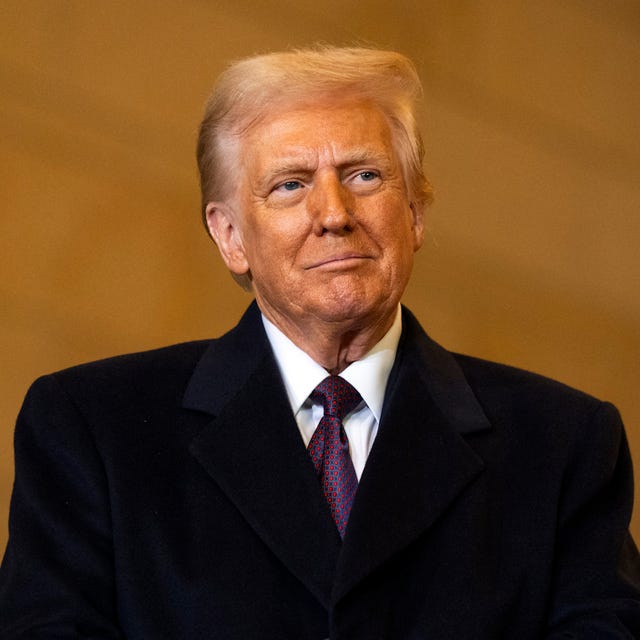
Prediction markets have settled on a 6.5% probability that Donald Trump will win the 2026 Nobel Peace Prize, with this assessment remaining stable over the past 24 hours despite over $2.6 million in cumulative trading volume. The modest odds suggest traders view Trump as a marginal contender among the typical pool of peace prize candidates, which historically has included sitting leaders, humanitarian organizations, and activists. The market's resolution mechanism prioritizes Trump above other listed individuals—Volodymyr Zelenskyy, Benjamin Netanyahu, Vladimir Putin, and Elon Musk—if any are jointly awarded, indicating the market design anticipated this possibility but assigned it low aggregate probability.
Why It Matters
The 2026 Nobel Peace Prize carries symbolic weight in international relations and diplomacy, and markets tracking its recipient reveal broader expectations about global geopolitics over the coming year. A Trump win would signal the Norwegian Nobel Committee's recognition of significant peace-building or conflict resolution attributed to his administration or influence. Conversely, the current 6.5% pricing reflects market participants' view that other candidates—established peace advocates, sitting leaders navigating regional conflicts, or organizations advancing humanitarian causes—are substantially more likely to be honored. Given Trump's polarizing record and the committee's historical emphasis on consensus-building and humanitarian work, the low probability aligns with precedent.
Key Factors
Several elements sustain the modest odds. First, Trump would need to initiate or broker a major peace agreement or diplomatic breakthrough during 2025-2026 that the Norwegian Nobel Committee deems worthy of the prize. Historical precedent shows the committee recognizes such achievements—previous winners include leaders credited with conflict resolution—but requires demonstrated, durable impact. Second, the political composition of the Nobel Committee itself influences selection; the five-member panel is appointed by the Norwegian Parliament and has historically favored candidates aligned with progressive humanitarian values and multilateralism, dimensions not closely associated with Trump's political persona. Third, competitive alternatives likely include sitting heads of state engaged in active conflict resolution, established peace organizations, and individuals championing human rights or disarmament causes. Any major geopolitical development—escalation in Ukraine, Middle East tensions, or conversely, a widely-acclaimed peace agreement Trump helped broker—could shift probabilities materially.
Outlook
The 6.5% probability appears anchored to base-rate skepticism rather than reflecting imminent developments. Markets will likely remain sensitive to any Trump-led diplomatic initiatives during 2025, particularly if major peace agreements materialize. The announcement deadline of March 31, 2027, provides a fixed resolution window; traders will reassess probabilities as 2026 unfolds and the committee's selection process becomes clearer. Given the consistency of current pricing and modest volume concentration, substantial movement would require either concrete evidence of breakthrough diplomacy or significant shifts in perceived committee preferences. For now, Trump remains a long-odds bet in the peace prize sweepstakes.