Market Overview
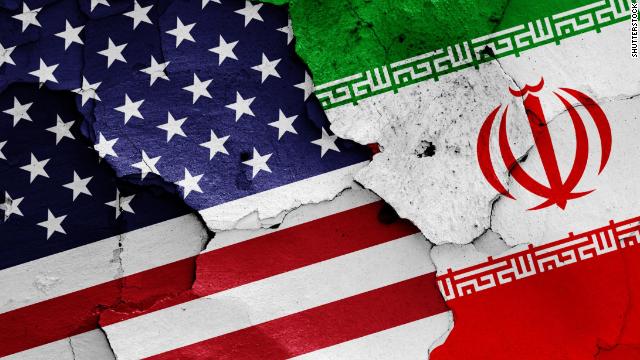
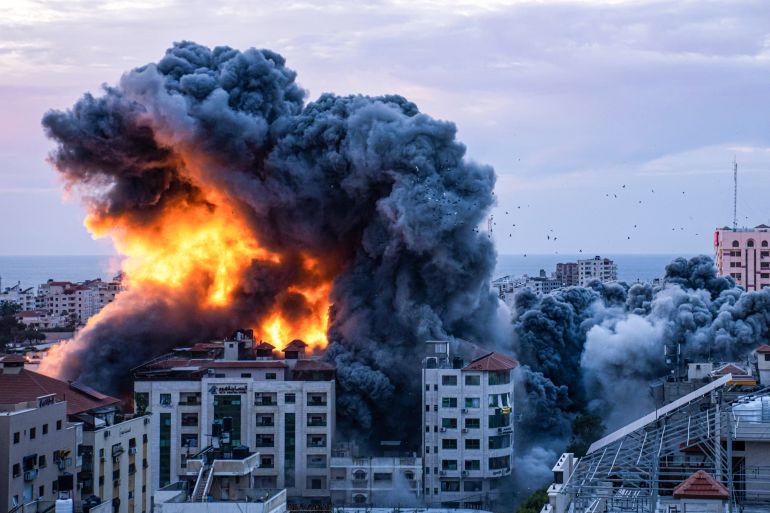
A prediction market dedicated to assessing whether the United States or Israel will conduct a kinetic military strike against Iran's Isfahan Nuclear Technology Center is currently trading at 100% probability, indicating near-certain conviction among market participants that such an attack will occur between now and March 31, 2026. The market has maintained this price point consistently over the past 24 hours and has attracted substantial liquidity, with over $1.37 million in total trading volume. The resolution criteria are explicit: only direct military action—including drone strikes, missile attacks, aerial bombardments, or ground-based kinetic operations—will trigger a \"Yes\" outcome, while cyber attacks, sanctions, and diplomatic measures are excluded.
Why It Matters
The Isfahan Nuclear Technology Center represents a strategically significant facility within Iran's nuclear infrastructure. The plant is home to Iran's uranium conversion operations, making it a focal point in international concerns regarding Iran's nuclear capabilities. Given the protracted tensions between Iran and Western powers over its nuclear program, the prospect of military action against nuclear facilities carries profound geopolitical implications. A successful strike would constitute one of the most significant military escalations in the Middle East in recent years and could trigger a broader regional conflict with global economic and security ramifications.
Key Factors
Several factors likely underpin the market's extreme confidence level. Historical precedent plays a significant role: Israel has demonstrated willingness and capability to strike Iranian nuclear and military targets, most notably the 2007 bombing of Syria's Al-Kibar reactor and various strikes on Iranian targets in Syria and Iraq. The U.S. has also conducted high-profile military operations against Iranian assets and proxies. Regional tensions have escalated substantially in recent months, with exchanges of fire between Israel and Iran-backed forces and direct Iranian missile strikes against Israeli territory, raising the baseline expectation for military confrontation. Additionally, the 15-month window extending to March 2026 provides an extended timeframe during which such an operation could plausibly occur.
The market's certainty reading, however, warrants scrutiny. A 100% probability leaves no margin for de-escalation, diplomatic breakthrough, or constraint from international pressure. Historical instances of nuclear facilities escaping targeted strikes despite elevated tensions demonstrate that even high-risk situations can be averted. The resolution criteria requiring successful strikes that are not intercepted or ineffective may also amplify confidence, as participants may be pricing in the assumption that if an attack is launched, it will likely reach its target.
Outlook
The market will face critical test points if regional tensions shift materially, including any significant diplomatic progress on Iran's nuclear program, changes in U.S. administration policy toward Iran, or unexpected developments in the broader Israeli-Iranian conflict. A sustained period without military escalation over the coming months could gradually erode the current consensus reflected in these odds. Conversely, any incident triggering acute regional crisis—military strikes by either party, proxy attacks, or nuclear program advances—could reinforce or further cement market conviction. The market's extreme pricing suggests participants view such a strike not as a possibility, but as an expected outcome within the specified timeframe.