Market Overview
Prediction markets are currently pricing the likelihood of active US military personnel physically entering Iranian territory by year-end at 0.7%, with trading volume of approximately $17.9 million reflecting sustained interest in this geopolitical question. The market has remained stable at this level over the past 24 hours, indicating that traders view the probability as firmly settled at the extreme low end of the plausible range. This near-certain \"No\" outcome suggests that participants see virtually no meaningful risk of direct US ground military operations crossing into Iran's borders before 2024 concludes.
Why It Matters
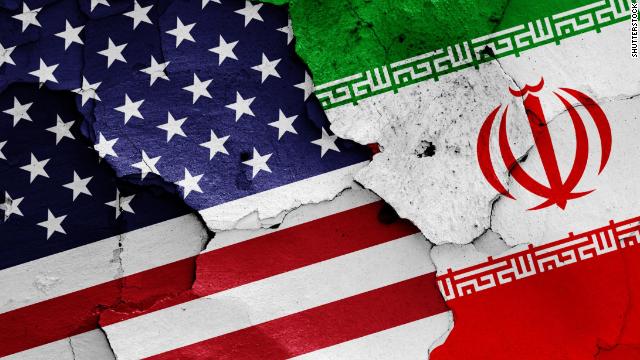
The question operationalizes one of the most significant potential escalation scenarios in the Middle East, where US and Iranian interests have repeatedly collided through proxy forces, naval incidents, and targeted strikes. A direct military incursion would represent a fundamental shift in US-Iran dynamics and would likely trigger regional destabilization with global economic and security ramifications. The market's extremely low probability assignment indicates that despite documented tensions—including occasional military posturing and attacks on shipping—traders assess the diplomatic and strategic costs of ground invasion as prohibitively high for US policymakers under current conditions.
Key Factors Driving the Assessment
Several structural factors appear to anchor this low probability estimate. First, the US has historically favored air strikes, naval operations, and proxy forces over ground incursions in Iran, a pattern reinforced by two decades of Middle Eastern military experience. Second, the market's resolution criteria exclude diplomatic visits, military advisors, and special operations that might blur the line—requiring unambiguous ground combat or occupation. Third, international law and potential allied opposition constrain US options even in scenarios of significant escalation. Finally, current US military doctrine and resource allocation suggest prioritization of other theaters, particularly deterrence in the Indo-Pacific region.
Outlook
For this probability to shift meaningfully upward, traders would likely require evidence of either a major Iranian attack on US territory or assets that provokes direct retaliation, or a dramatic domestic political shift in Washington that reverses decades of strategic avoidance of Iranian ground campaigns. The stable positioning at 0.7% suggests that while market participants acknowledge the non-zero tail risk inherent in geopolitical events, they view direct military incursion as a low-probability tail event rather than a plausible near-term outcome. The remaining weeks of 2024 would need to bring extraordinary developments to substantially reprrice this assessment.