Market Overview
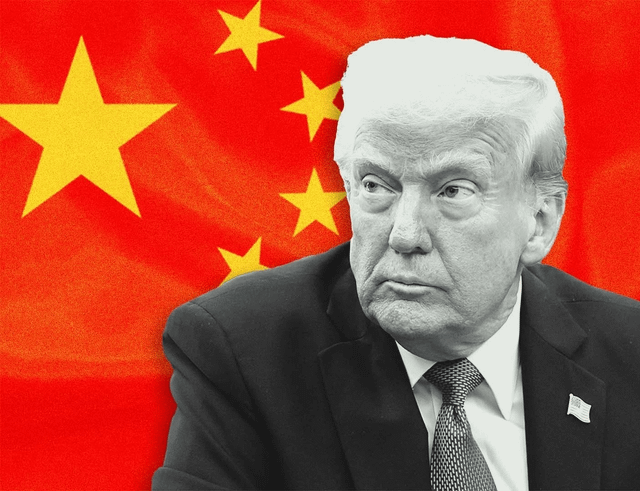
The prediction market on a Trump visit to China by end of April 2026 has attracted substantial speculative interest, with $6.78 million in total volume, yet traders have assigned it minimal odds of occurring. The probability has remained stable at approximately 1.7-1.8% over the past 24 hours, indicating a consensus view that such a visit is unlikely within the specified timeframe. The market defines a visit strictly as Trump's physical entry into Chinese terrestrial or maritime territory, excluding mere airspace passage, with resolution contingent on official U.S. government statements, Trump's verified communications, or credible media consensus.
Why It Matters
A presidential visit to China would represent a significant diplomatic gesture with implications for U.S.-China relations, particularly given current geopolitical tensions. The timeframe—approximately 14 months from typical market assessment periods—encompasses a politically sensitive window that includes the second half of Trump's presidential term. High trading volume relative to low probability suggests the market has attracted both conviction bearish bettors and speculative positions, indicating participants view this as a notable test case for predicting major bilateral diplomatic movements.
Key Factors Driving Low Probability
Several structural factors appear to be depressing the probability estimate. Recent U.S.-China relations have been characterized by tariff tensions, technology competition, and strategic rivalry rather than warming engagement. Trump's first term saw limited high-level visits and significant trade confrontation. The 14-month window is relatively narrow for orchestrating a state visit, which typically requires months of diplomatic preparation and scheduling coordination. Additionally, domestic political considerations in the United States may discourage such a visit during an election-relevant period, when Trump may face criticism over engagement with China from political opponents.
Outlook and Market Dynamics
Unless dramatic shifts in U.S.-China diplomatic relations materialize, traders expect the probability to remain depressed through 2025 and into early 2026. Key catalysts to monitor include unexpected diplomatic breakthroughs, major bilateral trade negotiations requiring high-level personal engagement, or significant third-party crises (such as Taiwan-related incidents) that might necessitate presidential-level dialogue. The substantial trading volume despite minimal odds suggests this market may serve as a barometer for broader investor sentiment on U.S.-China relations rather than reflecting genuine expectation of a visit. Any material increase in probability would likely signal genuine shifts in geopolitical positioning or diplomatic communication channels.