Market Overview
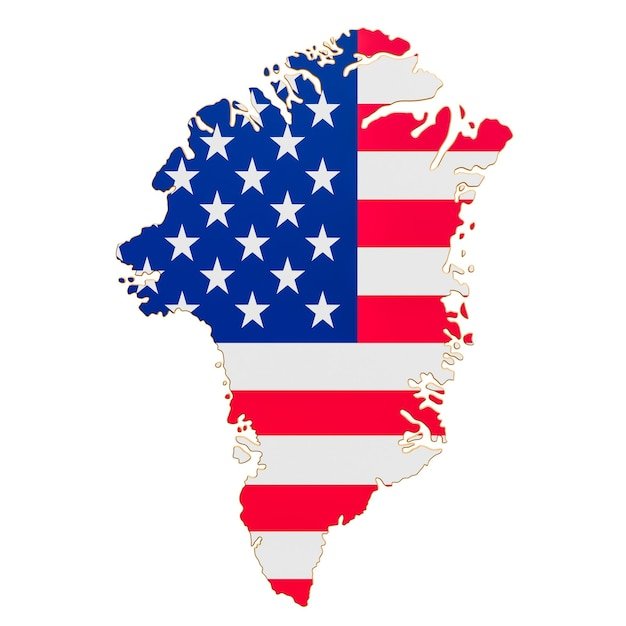
Prediction markets are currently assigning a 15.5% probability to the United States acquiring sovereignty or primary jurisdiction over any portion of Greenland by December 31, 2026. The market defines qualifying acquisition narrowly: it requires a binding agreement or legal instrument—such as enacted legislation, a signed treaty, or implementing executive action—that transfers sovereignty or establishes exclusive U.S. jurisdiction. The threshold explicitly excludes non-binding proposals, negotiations, basing agreements, or commercial leases. With $9.2 million in total volume, the market represents genuine financial engagement with what remains a low-probability outcome by historical standards.
Why It Matters
The possibility of U.S. territorial acquisition in Greenland carries significant implications for Arctic geopolitics, NATO cohesion, and precedent in international law. Greenland, an autonomous territory within the Danish Realm, holds strategic value due to its geographic position, natural resources, and military significance in an increasingly contested Arctic region. Any U.S. move to formalize control would represent a departure from post-World War II norms governing territorial acquisition among allied nations and would require unprecedented diplomatic arrangements between the United States, Denmark, and Greenland's government. The 15.5% probability, while modest, is substantially elevated above baseline assumptions about such acquisitions in the modern era, suggesting market participants see a meaningful—if still unlikely—pathway to this outcome within the next twelve months.
Key Factors
Several developments have contributed to the elevated probability assessment. Public statements by U.S. officials expressing strategic interest in Greenland have elevated the salience of the issue, shifting it from historical curiosity to active political discussion. Market participants are evidently weighing the possibility that sustained political pressure could translate into formal negotiations and ultimately binding agreements. However, significant structural obstacles constrain the probability: Denmark maintains sovereignty and has explicitly rejected any territorial cession; Greenland's government, while pursuing greater autonomy, has not indicated willingness to transfer sovereignty to the United States; and executing such an acquisition would require legislative action in the United States, Denmark, and likely Greenland, creating multiple veto points. The market's 15.5% assessment implies traders estimate these barriers can be overcome in roughly one-in-six scenarios, primarily through either extraordinary political realignment or the emergence of mutually beneficial arrangements not yet publicly visible.
Outlook
The market's valuation will likely remain sensitive to three classes of information: official statements or policy signals from Washington, Copenhagen, or Nuuk indicating genuine negotiation or legal action; developments in Arctic resource competition or security concerns that might shift perceived U.S. interests; and any structural changes in Greenland's political status or Denmark's willingness to negotiate territorial arrangements. The narrow resolution criteria—requiring binding legal instruments rather than mere proposals—sets a high bar that should anchor expectations toward the lower end of speculation. Absent concrete evidence of formal negotiation backed by legal frameworks, the probability may gravitationally pull downward, though geopolitical volatility could sustain current elevated levels if strategic competition in the Arctic intensifies.