Market Overview
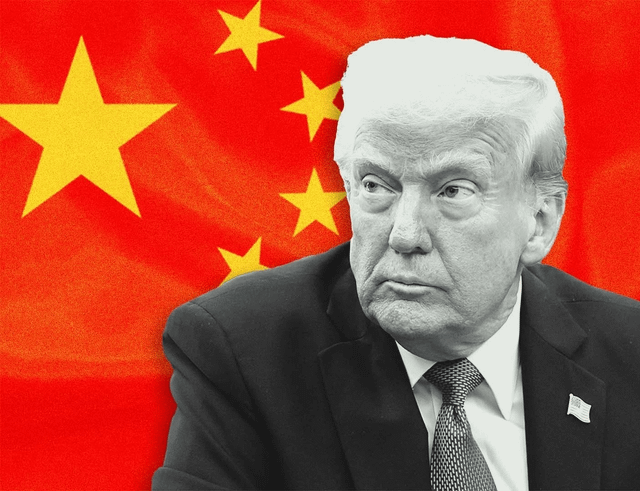
The prediction market for a Trump visit to China by April 30, 2026, is priced at just 0.9% probability, with substantial liquidity of $11.5 million in trading volume. The probability has remained stable over the past 24 hours, indicating no recent catalysts have shifted trader sentiment. At these odds, the market is essentially pricing a Trump China visit as a low-probability tail event rather than a realistic diplomatic scenario within the specified timeframe.
Why It Matters
A presidential visit to a major geopolitical rival typically signals a significant shift in diplomatic relations. Such a visit would represent a notable development in U.S.-China relations—historically one of the most consequential bilateral relationships. The market's near-zero probability reflects trader consensus that barring unforeseen circumstances, Trump is unlikely to travel to China during his current term, particularly given the historically contentious nature of recent U.S.-China interactions across trade, technology, and military domains.
Key Factors
Several structural factors appear to underpin the low probability. First, Trump's previous presidency saw escalating trade tensions and rhetoric toward China, setting a contentious tone that carries forward. Second, the timeframe is compressed—just 16 months—providing limited window for diplomatic normalization efforts. Third, presidential visits to China require extensive advance planning and would typically follow periods of improved bilateral sentiment. Finally, the resolution criteria specify physical presence in Chinese territory, a tangible threshold that demands concrete diplomatic commitment rather than mere discussions or virtual engagement.
Outlook
For this market probability to meaningfully increase, traders would likely require evidence of major diplomatic shifts: significant trade deal negotiations, direct Trump-China leadership engagement, or geopolitical events forcing rapprochement. The current 0.9% odds suggest most market participants view such developments as highly unlikely in this timeframe. The substantial volume despite tiny odds may reflect a combination of small-stake speculators betting on a surprise outcome and hedging positions among those confident in the status quo. Unless bilateral relations experience marked improvement, the probability is unlikely to move materially higher.