What Happened
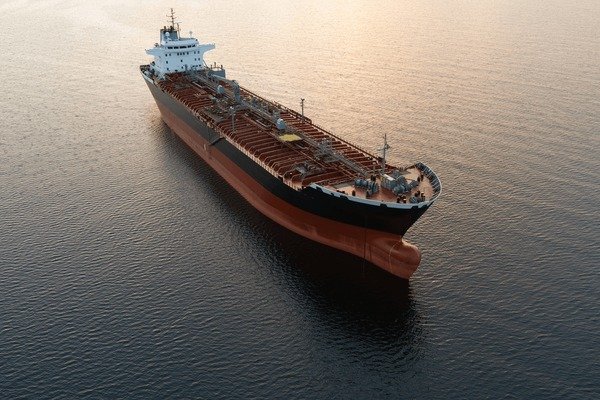
The prediction market for U.S. oil tanker seizures experienced a significant 19.5 percentage point decline, falling from 51.9% to 32.5% probability. The move occurred on a high-volume day with $133,488 traded, indicating substantial participation and conviction among market participants. The sharp repricing suggests a material shift in trader expectations regarding the likelihood of U.S. government forces seizing vessels transporting oil within the next five months.
Why It Matters
Oil tanker seizures by U.S. forces typically signal escalations in geopolitical tensions, most commonly related to Iran sanctions enforcement or responses to perceived threats to maritime trade. The sharp decline in seizure probability implies traders believe either current U.S.-Iran tensions are moderating or the incoming administration is de-prioritizing such enforcement actions. This reassessment carries implications for broader expectations about U.S. foreign policy direction, sanctions enforcement intensity, and Middle Eastern regional stability over the near term.
Market Context
The market's tags—spanning geopolitics, Iran, oil, and Trump administration policy—suggest traders view administration dynamics as a key driver of seizure likelihood. The substantial downward revision indicates a meaningful recalibration of expectations, potentially reflecting recent statements, policy announcements, or changed assessments of likely U.S. posture toward Iranian oil shipments and maritime enforcement generally. The trading volume suggests this was not a marginal repricing but rather a consensus shift among active participants.
Outlook
The market now prices in approximately one-in-three odds of a seizure occurring by April 30, 2026. This suggests traders view such actions as possible but not probable under current conditions. Further movements could signal fresh intelligence about U.S. foreign policy priorities, changes in Iran sanctions enforcement strategy, or evolving assessments of regional maritime security threats. The market will likely remain sensitive to policy announcements and any escalatory incidents in the Persian Gulf region.