Market Overview
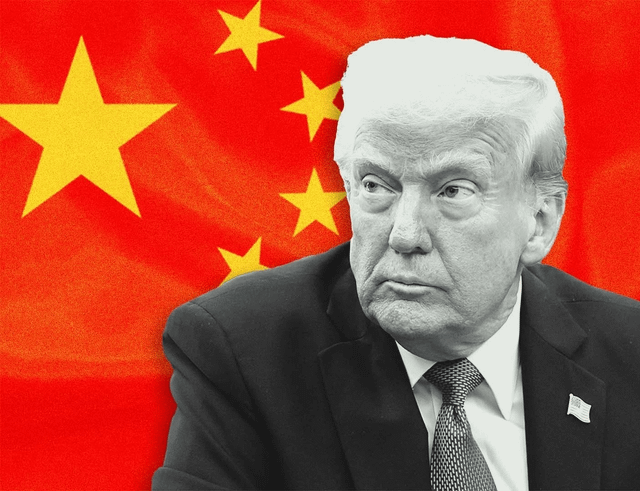
Prediction markets are pricing a Trump visit to China by April 2026 as a highly improbable event, with the current probability at 1.4%. With a resolution deadline of April 30, 2026, the market is evaluating the likelihood of Trump making such a trip within a window of approximately 16 months from the current date. The question has drawn modest volume of $10.76 million, indicating meaningful interest despite the low baseline odds. The probability has remained relatively stable, edging up only slightly from 1.3% in the past 24 hours.
Why It Matters
A presidential visit to China would carry significant symbolic and diplomatic weight, potentially signaling a major shift in U.S.-China relations. The two nations have experienced rising tensions over trade, technology, geopolitics, and Taiwan, making any high-level in-person engagement newsworthy. For markets and analysts, tracking the probability of such a diplomatic meeting serves as a barometer for perceived U.S.-China relations stability and the likelihood of high-level engagement. Given Trump's previous presidency and current standing, any trip to Beijing would likely generate substantial policy implications and market reactions across multiple asset classes.
Key Factors
Several structural obstacles make such a visit unlikely within the timeframe. The current geopolitical climate between the U.S. and China remains tense, with unresolved trade disputes, technology competition, and strategic rivalry limiting incentives for a presidential visit in the near term. The timeframe itself is restrictive—16 months is a compressed window for scheduling a complex state visit, particularly given the diplomatic preparation typically required for such an engagement. Historical precedent suggests Chinese state visits by sitting U.S. presidents occur infrequently and require substantial groundwork. Additionally, domestic political considerations in both capitals could complicate planning. The low market odds suggest participants view current conditions as insufficient to motivate such a trip.
Outlook
For the probability to shift materially higher, the market would likely need to see evidence of warming U.S.-China diplomatic relations, public statements from Trump or his administration indicating interest in such a visit, or significant geopolitical developments that incentivize bilateral engagement. Conversely, further deterioration in relations or major flashpoints involving Taiwan, trade, or technology could reinforce the current low probability. Until concrete signals emerge of diplomatic thaw or formal preparations, markets appear likely to keep odds depressed near current levels through the resolution window.