What Happened
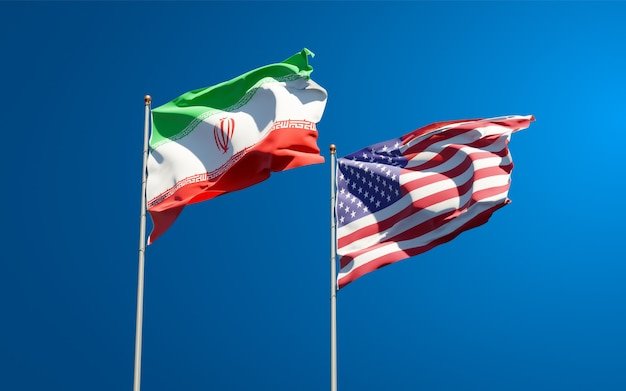
A prediction market contract on whether the United States and Iran will hold a deliberate diplomatic meeting by April 18, 2026, jumped from 45.5% to 62.5% probability over a recent trading period, representing a substantial 17-percentage-point move on $115,522 in volume. The significant price movement reflects a meaningful shift in trader sentiment regarding the likelihood of formal, in-person diplomatic engagement between the two governments. The market defines a qualifying meeting as one conducted by official representatives authorized to negotiate on behalf of their governments, including indirect talks through designated mediators, provided the engagement is publicly acknowledged and in-person.
Why It Matters
US-Iran diplomatic engagement represents one of the most consequential potential foreign policy developments in contemporary geopolitics. Direct talks would signal a fundamental shift in bilateral relations after years of heightened tensions, sanctions, and military posturing. The timing referenced in the market—within 16 months—suggests traders believe a diplomatic opening could occur during the current US presidential administration. Such meetings typically precede broader negotiations on nuclear policy, sanctions relief, and regional security concerns, making them important bellwethers for broader geopolitical realignment.
Market Context
The market tags reference the Trump administration and Vice President-elect JD Vance, whose foreign policy positions have historically emphasized direct engagement with adversaries. Trading activity in geopolitical prediction markets often reflects non-public information, policy signals, or shifts in administration priorities that market participants perceive before public announcement. The sharp move upward on substantial volume suggests coordinated conviction rather than algorithmic noise, potentially indicating that informed traders have detected new signals regarding diplomatic feasibility or administration intent.
Outlook
With the probability now at 62.5%, the market reflects slightly better odds of a meeting occurring than not, though substantial uncertainty remains. The next 16 months present multiple potential catalysts: direct policy announcements, statements from key officials, or practical steps toward establishing diplomatic channels. Conversely, escalating regional tensions, domestic political constraints, or diplomatic setbacks could reverse the current trajectory. Continued monitoring of market movements, alongside official statements and media reporting on US-Iran relations, will provide early signals about the actual prospects for formal engagement.