Market Overview
Prediction markets currently price an 81.5% probability that the U.S. Court of Appeals will deny—in whole or in part—the Trump administration's consolidated appeal in V.O.S. Selections, Inc. v. United States, and that importers will subsequently receive refunds of invalidated tariffs by June 30, 2026. The market has held steady at this level over the past 24 hours, with $387,552 in trading volume, indicating confidence among participants in this outcome without recent catalyst-driven volatility.
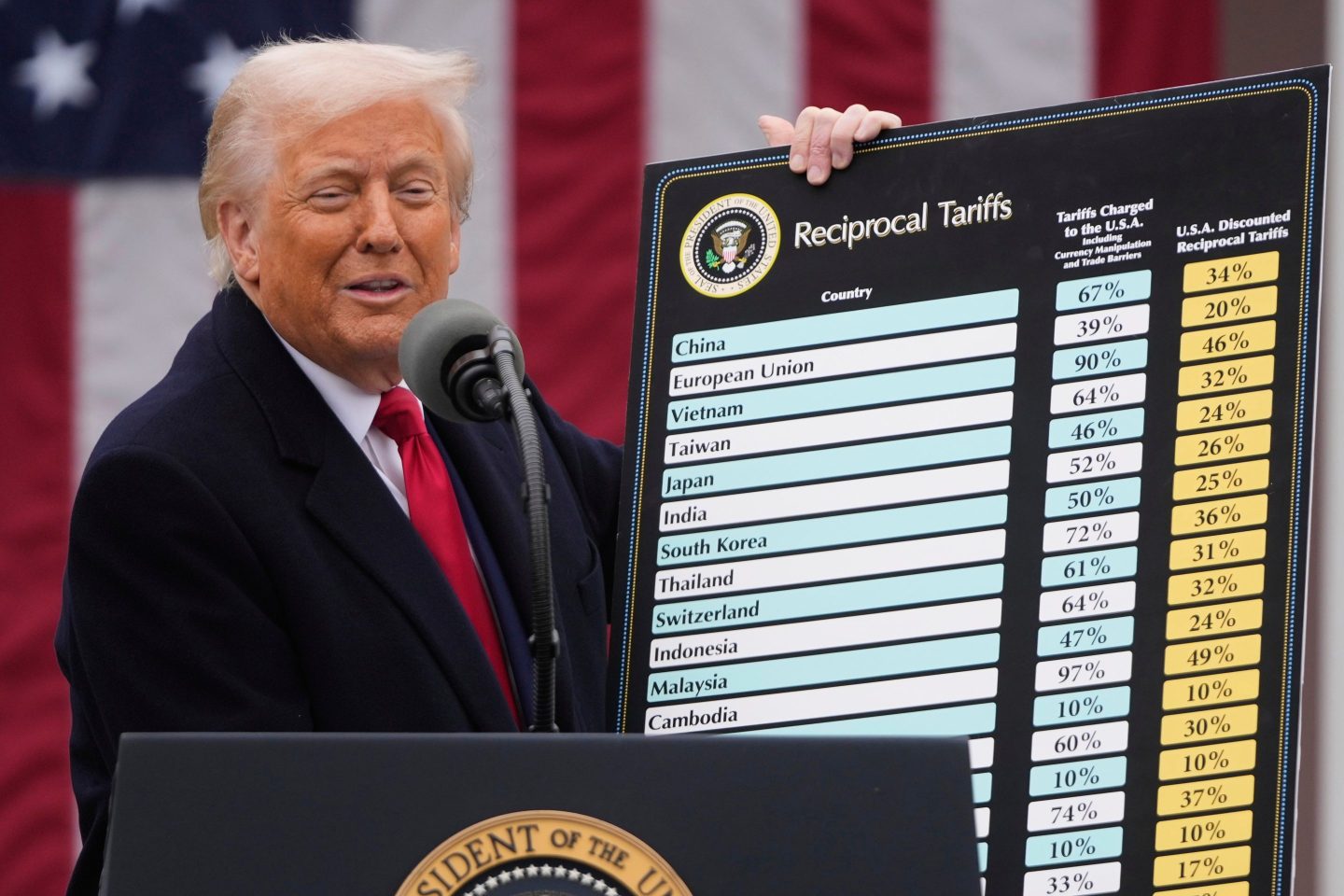
The underlying legal question centers on the scope of presidential authority under the International Emergency Economic Powers Act. On May 28, 2025, the U.S. Court of International Trade ruled that Trump exceeded IEEPA authority by imposing a 10% universal import tariff (the \"Liberation Day\" package) alongside country-specific rates reaching 50%, effectively invalidating these measures. The administration has appealed this decision as a single consolidated case, with the appeals court now positioned to determine whether the tariffs were legally justified.
Why It Matters
The outcome carries substantial financial implications for U.S. importers and the broader economy. If the appeals court affirms the lower court's decision, billions of dollars in collected tariffs could be subject to refund claims. The market's high probability reflects a view that importers have a strong legal position and that courts are likely to enforce limits on executive tariff authority. Conversely, a complete appeals victory for the administration would shield collected tariffs from repayment, affecting government revenues and import-dependent industries differently.
Key Factors
Several factors support the current high probability. First, the lower court's May 2025 ruling already found a clear legal violation, meaning the appeals process begins from a position of judicial skepticism toward the administration's authority. Second, the requirement for *both* an appeal denial *and* actual refunds being issued creates a dual hurdle; markets are pricing that if the appeal fails, administrative machinery will follow through with paybacks. Third, precedent on emergency powers suggests courts have been cautious about expansive IEEPA interpretations, particularly when tariffs affect broad categories of imports rather than targeting narrowly defined threats.
However, countervailing risks remain. Appeals courts sometimes overturn lower court decisions; the administration's lawyers may present arguments that resonate with judges reviewing the case. Additionally, even if the appeal is denied, the Treasury and Customs apparatus could theoretically delay or limit refunds through bureaucratic procedures, though such resistance would likely face legal challenge from importers' counsel.
Outlook
The market will likely remain sensitive to appellate developments—briefing schedules, oral argument dates, or signals from the court—over the coming months. If the appellate court schedules expedited review or if early pleadings suggest judicial receptiveness to the administration's position, probability could shift downward. Conversely, any indication of importer class coordination or pre-emptive Treasury preparation for refunds would reinforce confidence in the current odds. The June 30, 2026 resolution deadline allows roughly 13 months for both the appeal outcome and refund processing, a window that appears sufficient for standard appellate timelines and administrative action, further supporting the market's confidence in resolution.