Market Overview
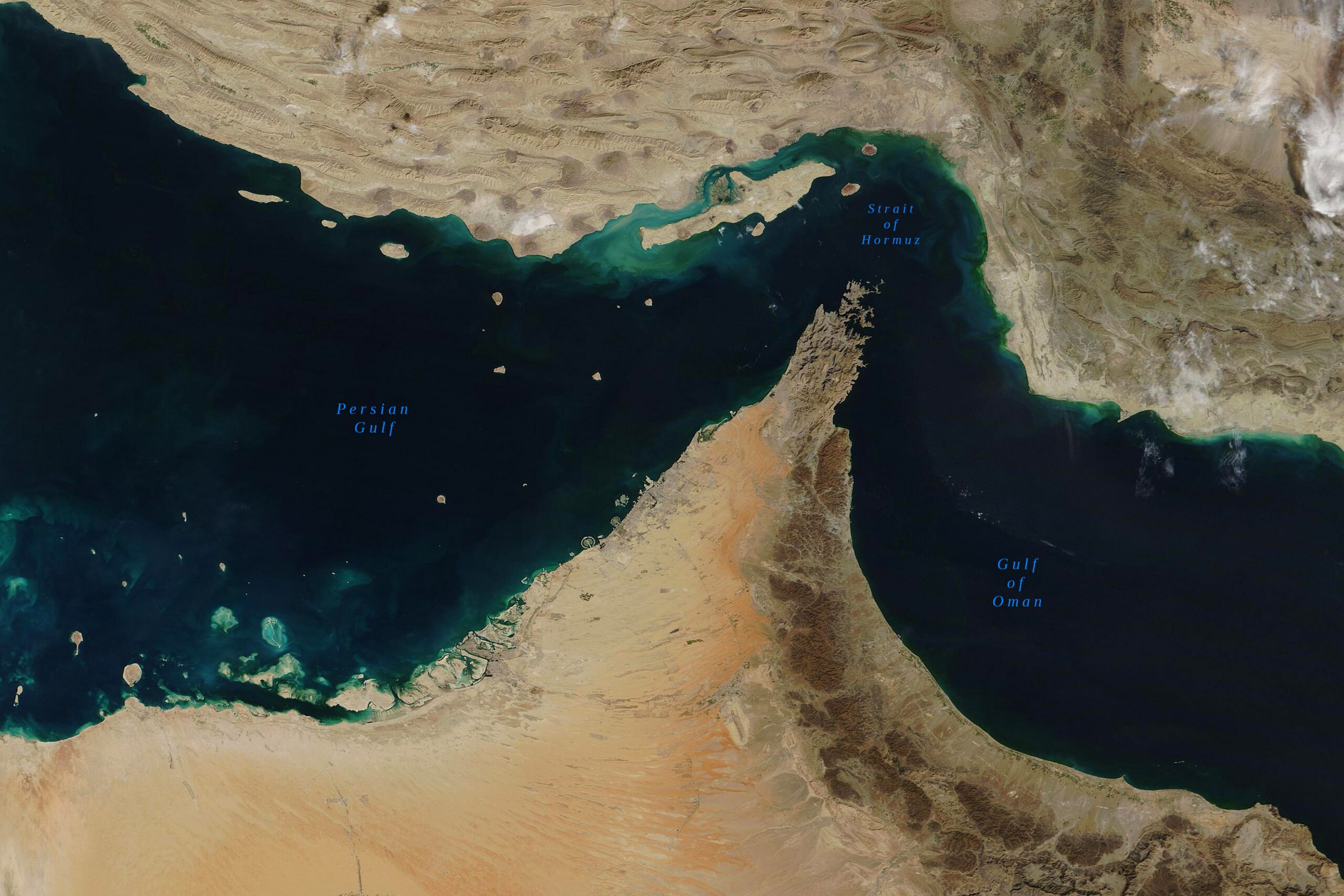
The prediction market on Strait of Hormuz traffic recovery is priced at 45.5% probability, indicating roughly even odds that transit calls will reach or exceed a 7-day moving average of 60 ships by June 30, 2026. With over $1.5 million in trading volume, the market reflects substantial interest in forecasting conditions at this strategic waterway through which approximately one-third of seaborne traded oil passes. Resolution requires IMF Portwatch data showing the specified transit threshold, making the outcome tied directly to independently published shipping metrics rather than subjective assessments.
Why It Matters
The Strait of Hormuz serves as a critical artery for global energy markets and international trade. Disruptions to traffic through the 21-mile-wide channel between Iran and Oman create ripple effects across shipping costs, oil prices, and broader economic activity. The market's current pricing—near 50-50—suggests meaningful uncertainty about whether conditions will normalize within the specified timeframe. A failure to reach normal traffic levels would indicate sustained regional instability or shipping industry structural changes; conversely, recovery to baseline would signal easing geopolitical tensions and confidence in maritime security.
Key Factors
The probability depends primarily on geopolitical developments in the Persian Gulf region. Recent years have seen elevated tensions involving Iran, regional proxies, and Western naval forces, with periodic incidents affecting shipping confidence and route choices. The market's implied timeline—18 months from creation—allows for potential policy shifts, diplomatic initiatives, or changes in regional security dynamics that could facilitate normalization. Industry factors also matter: shipping companies' willingness to transit the Strait depends on insurance costs, perceived risks, and available alternatives, such as longer routes around Africa. The baseline threshold of 60 daily transit calls will require either recovery from depressed levels or sustained activity if disruptions are already contained. Economic factors, including global trade demand and oil market dynamics, also influence the flow of commercial traffic through the channel.