Market Overview
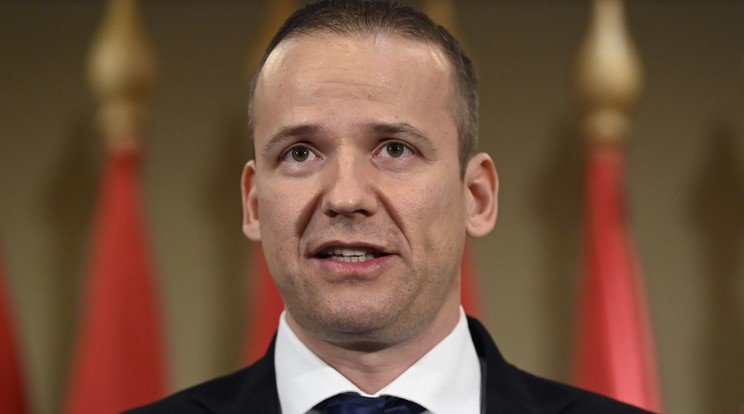
With over $6.4 million in volume, the prediction market for Brazil's 2026 presidential election is actively traded, yet Tarcisio de Freitas commands minimal backing at 0.4% implied probability. The current governor of São Paulo, Brazil's most populous and economically powerful state, is being priced as a long-shot candidate despite his visibility and executive track record. This valuation has remained flat over the past day, suggesting stable market consensus rather than recent sentiment shifts.
Why It Matters
Brazil's 2026 presidential election represents a critical inflection point for the nation's political direction. With incumbent Luiz Inácio Lula da Silva constitutionally barred from seeking a third consecutive term, the race is wide open. The extremely low odds for Freitas suggest prediction market participants view him as unlikely to consolidate sufficient support to reach the presidency, despite his administrative experience managing South America's largest city-state. Understanding why markets discount his candidacy illuminates the structural challenges facing potential candidates outside the major political coalitions.
Key Factors
Several dynamics appear to constrain Freitas's perceived path to the presidency. First, his political positioning within the São Paulo establishment may lack sufficient national coalition-building capacity compared to rivals with broader regional bases or stronger connections to major party structures. Second, Brazil's fractious political landscape typically requires assembling large multi-party coalitions, and Freitas's current party alignment may limit such flexibility. Third, polling data closer to the election will likely prove more decisive than current long-range market pricing, suggesting traders remain cautious about supporting candidates without demonstrated national-level viability. Finally, the market's treatment of Freitas as a marginal candidate reflects the broader reality that successful Brazilian presidential candidates typically emerge from more established national political networks or enjoy significantly higher initial polling support.
Outlook
Unless Freitas dramatically expands his political base or becomes central to a major coalition strategy in the coming months, the market's minimal probability assessment may persist through the election cycle. The 0.4% price reflects not categorical impossibility but rather traders' assessment that numerous other candidates represent substantially more credible pathways to the presidency. Development of clearer coalition alignments, shifts in public opinion tracking, or unexpected political realignments could shift these odds, but current market sentiment suggests Freitas remains a peripheral figure in the 2026 race.