Market Overview
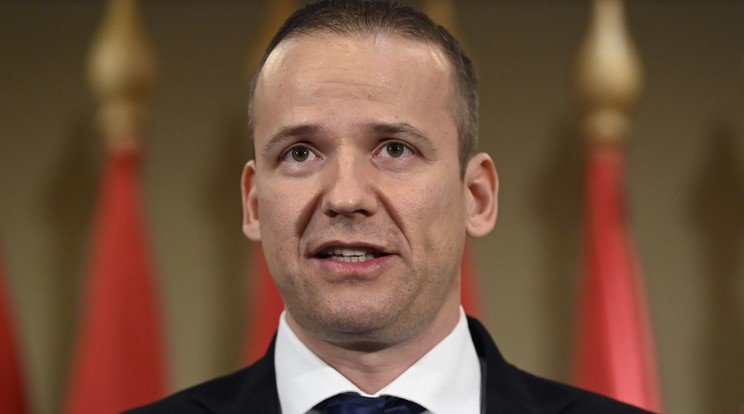
With $12.8 million in volume, the Hungarian Prime Minister prediction market shows near-zero confidence in László Toroczkai's path to the country's top executive position. At 0.1% implied probability, markets are pricing his candidacy as an extreme long shot—essentially ruling out a Toroczkai premiership barring a dramatic political realignment. The minimal movement from the previous day suggests this assessment reflects settled consensus rather than recent developments, indicating traders view the outcome as decided through structural political factors rather than ongoing uncertainty.
Why It Matters
Hungary's 2026 elections represent a significant political moment for the European Union member state. The Prime Minister selection will influence EU relations, judicial independence, media freedom, and adherence to democratic norms—issues that have defined Hungarian politics under Viktor Orbán's Fidesz party. Toroczkai leads Mi Hazánk (\"Our Homeland\"), a nationalist party positioned to Orbán's right on immigration and sovereignty issues. His extreme long odds in this market reflect both Hungary's political structure and international assessments of his electoral viability, making the market's pricing a window into expectations for post-2026 governance.
Key Factors
Multiple structural factors underpin the market's dismissal of Toroczkai's prospects. First, Fidesz and its coalition partners have maintained supermajority control of parliament through the current cycle, limiting the electoral insurgency Mi Hazánk would need to lead a coalition. Second, Orbán's dominance of right-wing politics in Hungary—the natural electoral terrain for Toroczkai—creates a crowded field where a nationalist upstart faces entrenched incumbency advantages. Third, Hungarian coalition mathematics typically require agreement among multiple parties; even significant Mi Hazánk gains would likely necessitate coalition partnerships, and larger parties may view Toroczkai as too extreme or politically unpalatable for such arrangements. Finally, the market may reflect assessments that center-left or socialist opposition parties could achieve breakthrough gains, further reducing the probability of a nationalist outsider reaching the premiership.
Outlook
For Toroczkai's odds to shift materially upward, several developments would need to occur: a severe collapse of Fidesz support, fragmentation of the ruling coalition, or emergence of post-election arithmetic forcing even unlikely kingmaker scenarios. Short of such extraordinary circumstances, markets suggest traders view the 2026 election outcome as most likely to either preserve Fidesz-led governance or enable a center-left alternative—neither scenario positioning Toroczkai for the premiership. Key developments to monitor include Mi Hazánk's party registration status, polling trends in the two years before the April 2026 vote, and any shifts in coalition positioning among established parties.