Market Overview
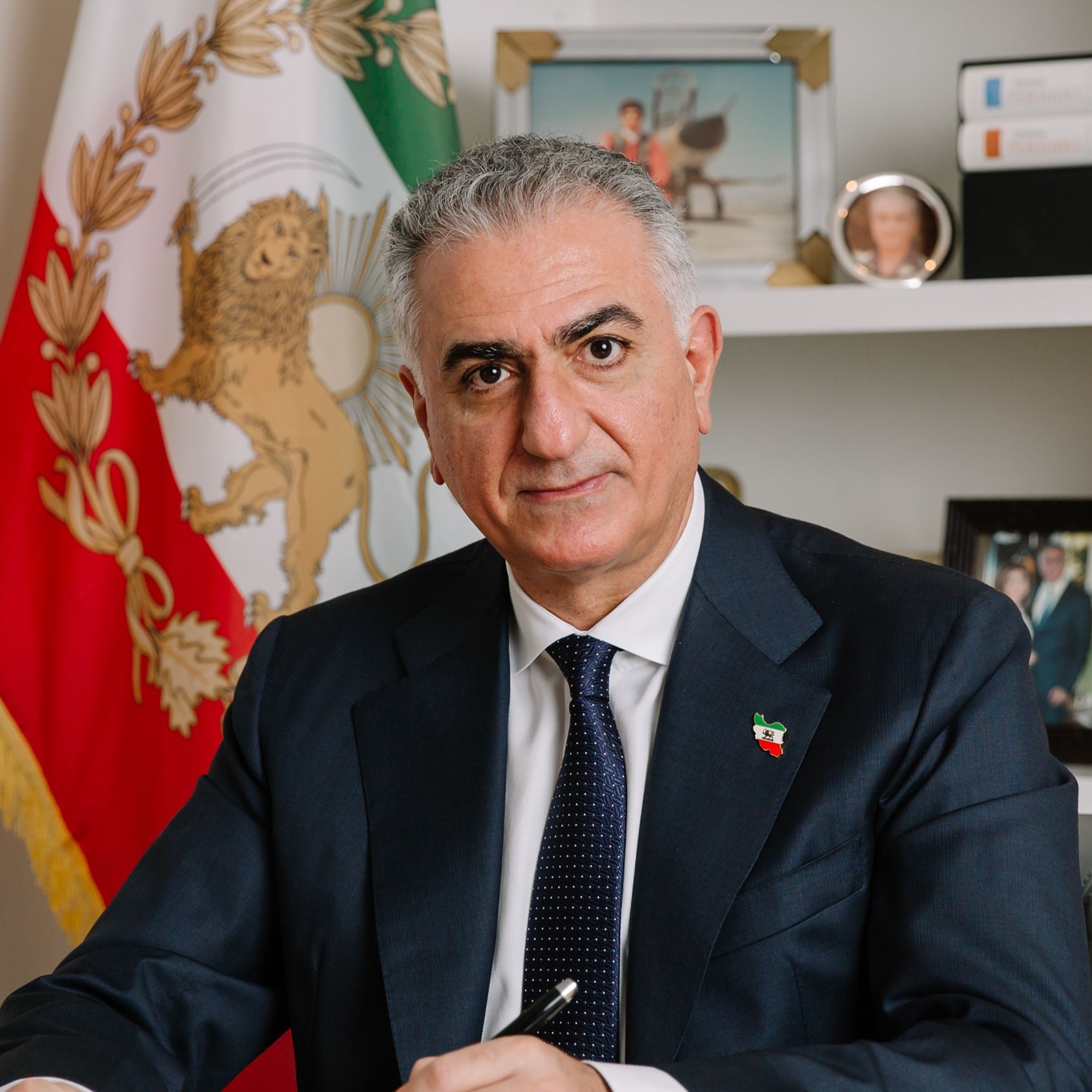
Tarcisio de Freitas, the governor of São Paulo and a prominent figure in Brazil's conservative political landscape, is trading at a mere 0.3% probability of winning the 2026 presidential election scheduled for October 4, 2026. With over $8.3 million in volume, the prediction market has established a clear consensus: de Freitas remains a peripheral candidate in the presidential race, even as speculation about the field continues over 18 months before voters head to the polls.
Why It Matters
De Freitas's long-shot status is significant given his political weight. As governor of São Paulo, Brazil's most populous and economically powerful state, he commands substantial institutional resources and represents a major constituency. His placement in the presidential hierarchy matters for understanding Brazil's political realignment ahead of 2026. With incumbent President Luiz Inácio Lula barred by constitutional term limits from seeking another consecutive term, the race is wide open, making the positioning of all major candidates—including those given minimal odds—relevant to market participants' broader assessments of the political landscape.
Key Factors
De Freitas's minimal probability reflects several structural disadvantages. First, he operates in the shadow of other conservative candidates who have entered or are expected to enter the race, including former president Jair Bolsonaro and other right-leaning figures with stronger national profiles or earlier positioning. Second, early public opinion polling, though fluid at this distance from the election, has not elevated him as a frontrunner, suggesting limited momentum among the broader electorate despite his state-level success. Third, prediction markets tend to consolidate around candidates perceived as having a genuine pathway to victory; de Freitas appears to lack such a trajectory in current market assessments. His association with São Paulo's governance, while a credential, may not translate into national support without significant intervening events or campaign developments.
Outlook
For de Freitas to materially shift his position in prediction markets, he would likely need to either consolidate support within a fractured conservative movement or position himself as a unifying third-way candidate in a crowded field. His current 0.3% probability suggests markets view these scenarios as remote but not impossible. Developments that could alter his standing include major policy achievements in São Paulo gaining national prominence, a significant reshuffle in the broader conservative field that elevates his viability, or unexpected shifts in voter sentiment toward sitting governors as presidential material. For now, he remains priced as a speculative long-shot in what is shaping up to be a highly competitive race.