Market Overview
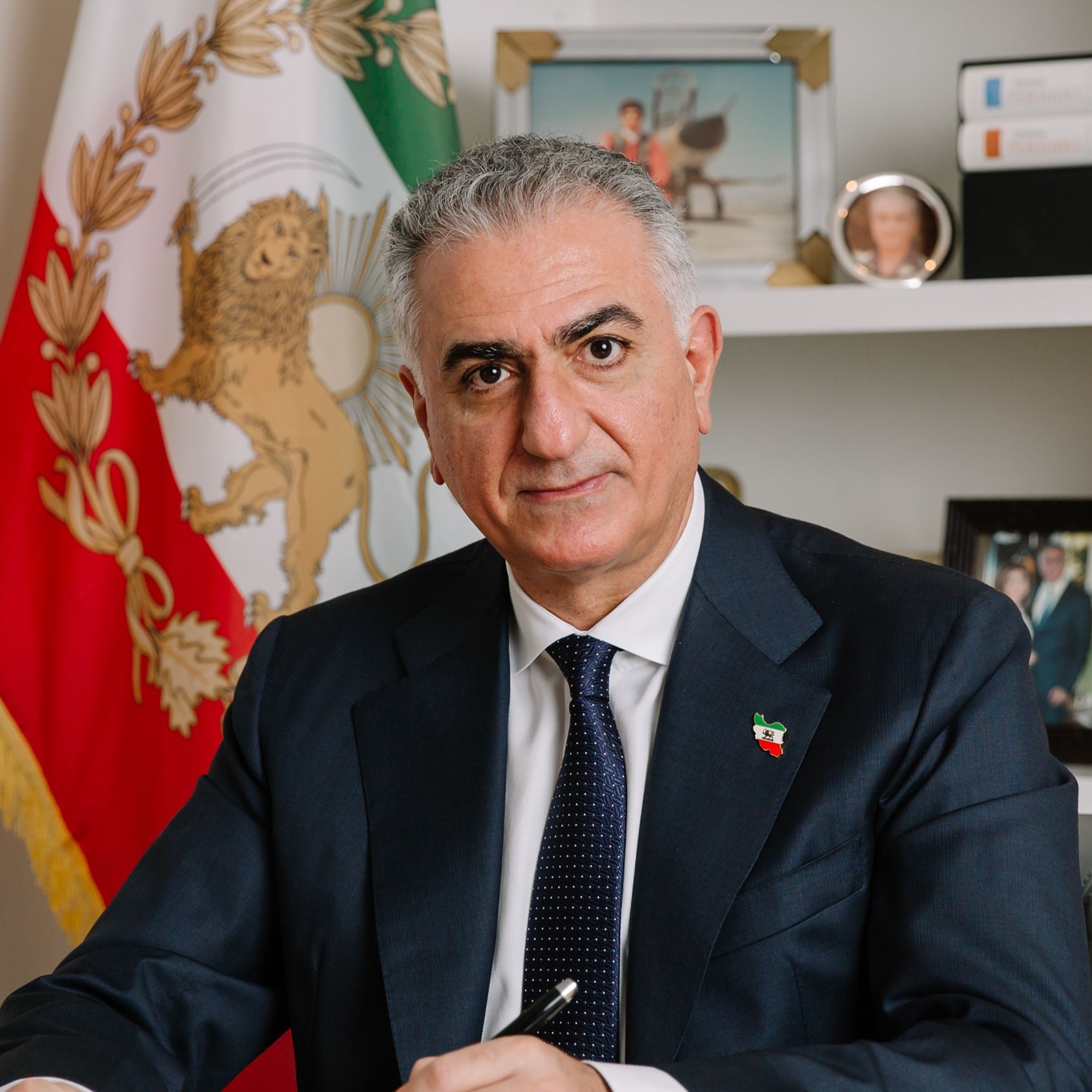
Prediction markets are pricing an extremely low probability—6.5%—that Reza Pahlavi, the son of Iran's deposed last shah, will enter Iranian territory within the next 18 months. The market has seen substantial activity, with over $3.4 million in volume, yet pricing has remained stable, suggesting consensus among traders that the odds of such a visit are minimal. This assessment reflects the current geopolitical realities surrounding Pahlavi's status as a prominent opposition figure in exile and the Islamic Republic's treatment of dissidents.
Why It Matters
A Pahlavi return to Iran would represent a dramatic shift in the country's political landscape. As a symbol of monarchist opposition and a vocal critic of the Islamic Republic, his physical presence on Iranian soil would carry significant symbolic weight for both the regime and opposition movements. The Iranian government has consistently opposed and suppressed monarchist sentiment, making such a visit extraordinarily unlikely under current circumstances. The low market probability underscores the structural barriers preventing high-profile opposition figures from safely entering Iran.
Key Factors
Several factors explain the minimal probability. First, the Iranian regime's stringent security apparatus and hostile stance toward monarchist movements make a visit by Pahlavi extraordinarily risky—he would face near-certain arrest and prosecution. Second, Pahlavi himself has maintained a cautious political posture from exile, focusing on diplomatic engagement and gradual opposition building rather than dramatic gestures. Third, no credible pathway or diplomatic arrangement currently exists that would secure his safe entry. Fourth, the timeframe is relatively short (18 months), leaving little room for the kind of major political upheaval or negotiated settlement that would need to occur for such a visit to be feasible. Finally, the market's stable pricing suggests traders see no near-term catalysts that would shift these dynamics substantially.
Outlook
For the probability to materially increase, traders would need to observe major developments: a significant crack in the regime's authority, a successful coup or revolution, the emergence of a transitional government, or a dramatic diplomatic breakthrough securing Pahlavi's safety. None of these scenarios appears likely within the specified timeframe. Unless unexpected geopolitical upheaval occurs, the 6.5% figure likely reflects traders' baseline assessment—capturing only low-probability tail risks and unforeseen circumstances. The market will remain sensitive to major developments in Iran's political situation, but barring such events, these odds appear well-anchored to the current security environment.