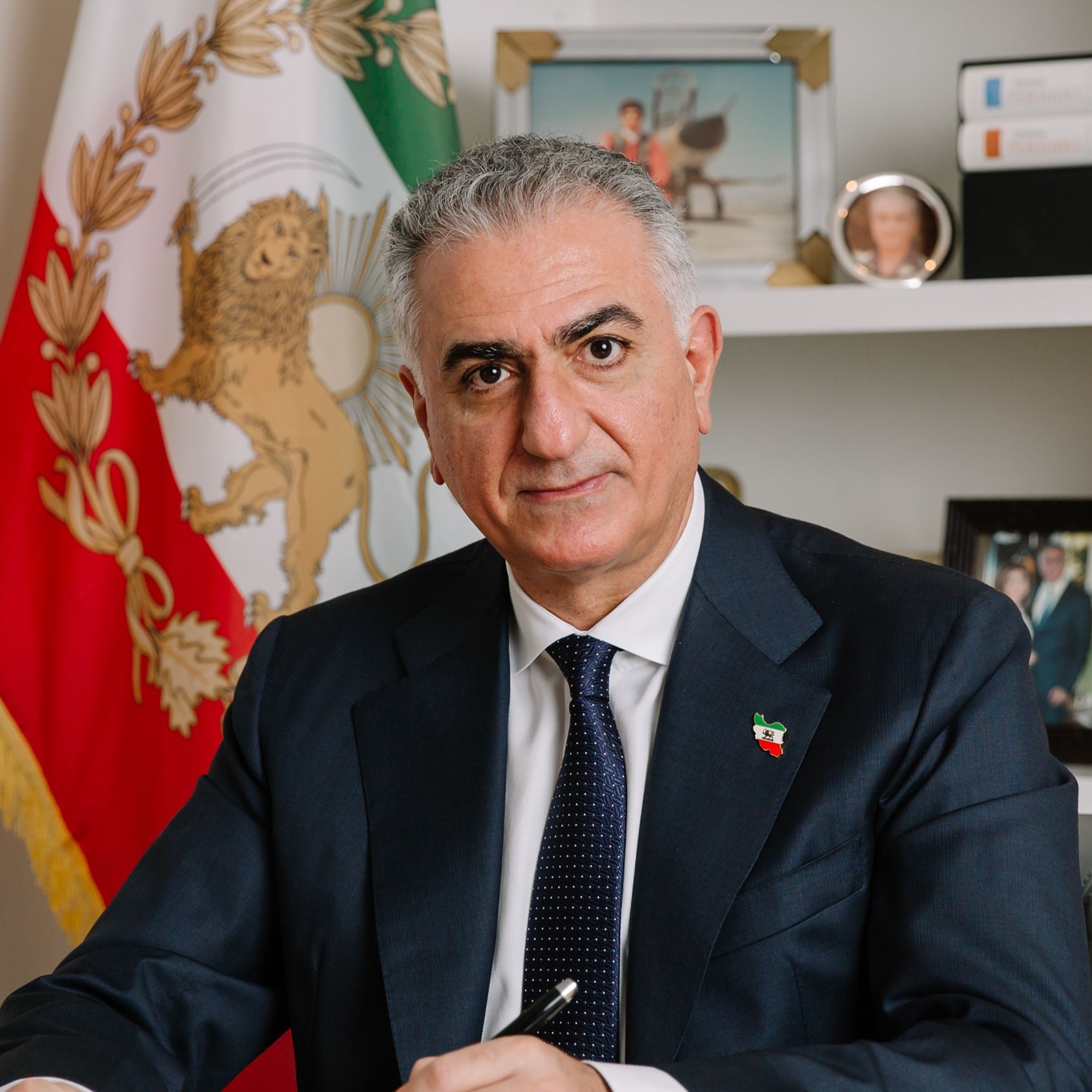
Market Overview
Tarcísio de Freitas, the governor of São Paulo and a protégé of former president Jair Bolsonaro, is trading at just 0.4% probability of winning Brazil's October 2026 presidential election in this prediction market. With over $8 million in volume, the market reflects minimal confidence in his candidacy relative to other potential contenders. This slim odds assignment places him among the longest shots in a race where multiple heavyweight candidates are expected to compete, despite his position as one of Brazil's most powerful state executives.
Why It Matters
The 2026 election will be consequential for Brazil's political direction, determining whether the country moves further left, maintains centrist positioning, or shifts right under Bolsonaro-aligned leadership. As São Paulo's governor overseeing Latin America's largest economic hub, Tarcísio has demonstrated executive capacity and visibility. However, his far-right ideological alignment and ties to Bolsonaro—whose presidency ended with significant polarization and legal challenges—create a liability in a broader electorate. The market's assessment of his chances suggests traders view institutional and electoral headwinds as substantial obstacles to his path to the presidency.
Key Factors
Several dynamics constrain Tarcísio's viability in trader assessments. First, Brazil's political center has shown resilience; President Luiz Inácio Lula's 2022 victory over Bolsonaro, despite a narrow margin, demonstrated that hard-right candidates face electoral ceilings. Second, the fragmentation of Brazil's right-wing political space means multiple candidates could split conservative votes, disadvantaging any single Bolsonaro ally. Third, Tarcísio's governance record in São Paulo, while administratively competent, has not yet translated into demonstrable national appeal or a clear policy platform distinct from Bolsonaro's legacy. Fourth, legal and institutional constraints on Bolsonaro himself—including conviction in criminal cases and political restrictions—could create additional headwinds for close political allies, depending on how those challenges evolve before 2026.
Outlook
For Tarcísio's odds to shift materially higher, several conditions would need to change: a sustained rightward swing in Brazilian public opinion, consolidation of conservative support behind his candidacy, or a significant deterioration in the popularity or credibility of centrist and left-wing alternatives. Conversely, his odds could compress further if rival right-wing candidates emerge with stronger national platforms or broader appeal. The market will likely remain volatile as Brazil enters the formal campaign period and as other candidates declare intentions. Any major political realignment, scandals, or shifts in perceived electability among mainstream candidates could influence traders' assessment of Tarcísio's relative chances.