Market Overview
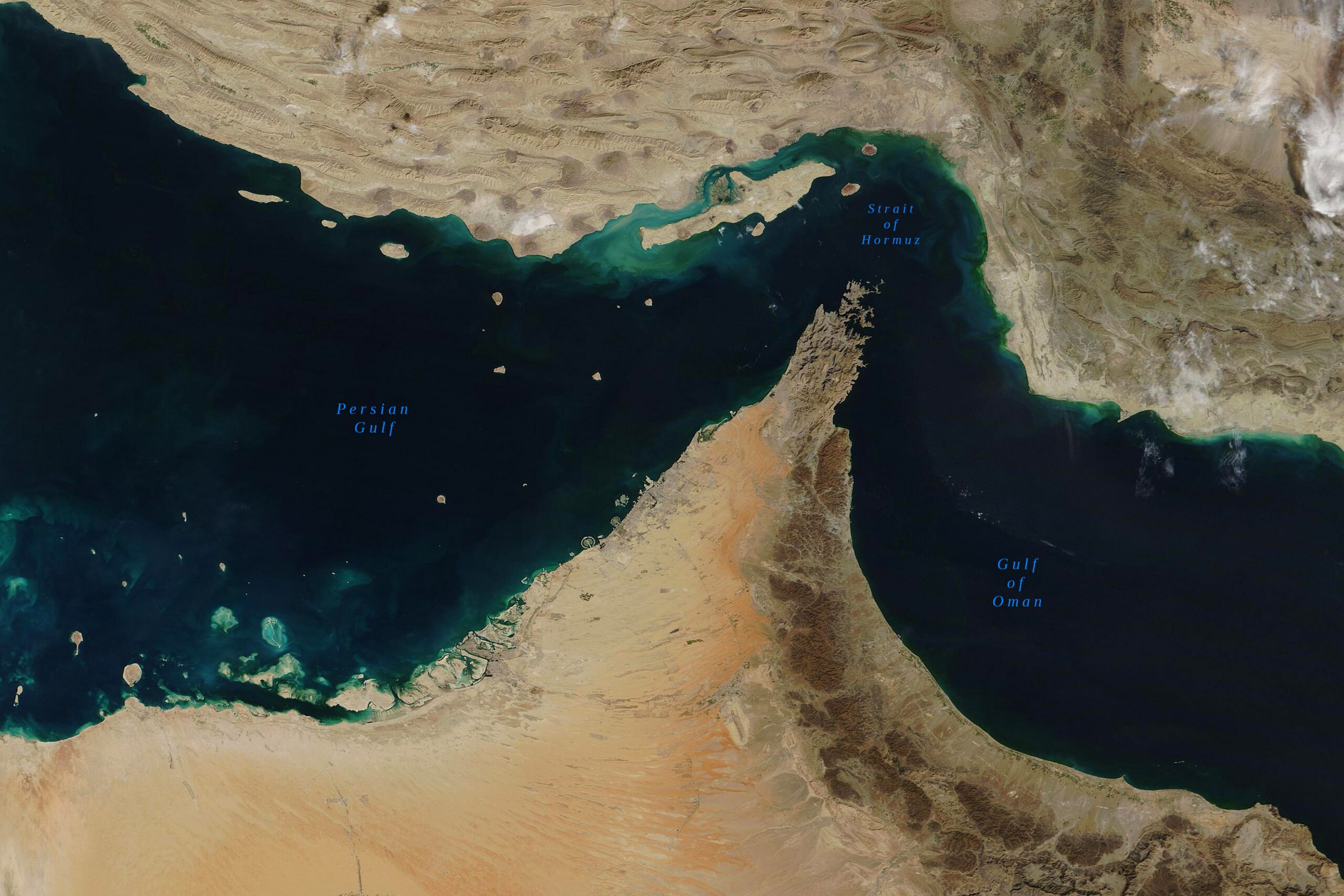
The prediction market for Strait of Hormuz traffic normalization currently prices the probability of a recovery at 52.5%, implying roughly even odds that daily transit calls will reach a 7-day moving average of 60 or higher by the end of June 2026. The benchmark of 60 daily transits is understood to represent a normalized operational level for this critical chokepoint, through which roughly one-third of seaborne traded oil passes globally. With $1.09 million in trading volume, the market reflects meaningful engagement from participants tracking Middle Eastern geopolitical risk and shipping dynamics.
Why It Matters
The Strait of Hormuz represents one of the world's most strategically important maritime passages. Disruptions to normal traffic flow have immediate ripple effects on global energy prices, insurance costs, and supply chain resilience. Any sustained reduction in transit capacity signals either geopolitical escalation in the region or persistent commercial avoidance of the route due to security concerns. The current near-50/50 split suggests markets view recovery to normal operational levels as genuinely uncertain rather than assured, underscoring the fragility of regional stability.
Key Factors
Several dynamics shape current market sentiment. First, regional tensions—including proxy conflicts, naval incidents, and shipping attacks—have periodically disrupted normal traffic patterns. The market's probability reflects expectations about whether these incidents will de-escalate sufficiently to restore shipper confidence by mid-2026. Second, commercial shipping decisions involve both immediate security assessments and longer-term route planning; even if incidents cease, restoration of normal traffic takes time as supply chains re-optimize. Third, the 7-day moving average smooths daily volatility, meaning the market is not betting on peak traffic days but rather on sustained normalization over a week-long period. The recent 7-percentage-point decline in probability over 24 hours suggests shifting sentiment, possibly reflecting new information about regional conditions or revised expectations about recovery timelines.
Outlook
The market will resolve based on IMF Portwatch data, the authoritative source for global port traffic metrics. Resolution is binary: either the Strait reaches the 60-call threshold on its 7-day moving average at some point through June 30, 2026, or it does not. Key developments that could shift probabilities include any escalation or de-escalation of regional security incidents, announcements of major shipping route alternatives, sanctions changes affecting regional commerce, or shifts in global oil demand that alter incentives for Hormuz transits. Market participants tracking this question should monitor both geopolitical developments and monthly IMF Portwatch data releases, as actual transit call trends will ultimately determine the outcome.